Why your mini split makes noise in a Nevada winter

Tell a local repair pro what your mini split is doing.

Get a mini split pro

A mini split that clicks, hums, or rattles in winter is usually just doing its job. Running in heat mode, the system cycles its compressor on and off more often than it does in summer, and that startup and shutdown is where most of the noise comes from. Some units also run a defrost cycle that can sound like a whoosh or a change in pitch as the system briefly reverses itself to clear frost from the outdoor coil. A clicking sound when it starts or stops is normal. A grinding, buzzing, or rattling sound that keeps going is not. That usually points to a loose part, a failing fan motor, or ice building up on the outdoor unit faster than the defrost cycle clears it. Since gas heat is common here and mini splits often run as backup or for a single room, unusual noise is easy to miss until it gets worse. Catching it early, before the compressor or motor wears further, is what keeps a small repair small.

A white wall-mounted mini-split indoor unit installed high on a gray interior wall, with a window at left and part of a light gray sofa with a dark cushion at lower right.

Normal operation

A soft whoosh from the indoor unit while it's running is just air moving across the coil. A click when it starts or stops is the compressor or a relay switching. If the unit looks like this and sounds like this, it's working the way it's supposed to in a Nevada winter.

A white wall-mounted mini-split air conditioner indoor unit with visible dust and staining along its lower vent, installed on a plain pale wall.

Needs a look

Dirt and mold along the vents like this usually come with a musty smell and weaker airflow, not just noise. That buildup blocks the coil and makes the compressor work harder to hit temperature, which is its own kind of strain. A contractor can clean it out and check whether anything else is wrong.

A woman in a gray turtleneck sweater stands by a window looking outside at snowy ground, with a dimly lit living room containing a sofa, shelves, lamp and a lit candle behind her.
A woman in a cream cable-knit turtleneck sweater stands in a warmly lit living room with a fireplace and shelves behind her, looking out a window toward snow-covered trees and a railed deck.
A woman in a cream knit turtleneck sweater stands by a window looking out at snow, with a lit fireplace, sofa and lamp in the room behind her.
A woman in a gray knit sweater sits by a window looking out at falling snow, with a dimly lit living room containing a sectional sofa, pillows, a lamp and houseplants behind her.

Heat mode asks more of a mini split than cooling does. The system runs its compressor in reverse, drawing heat out of outdoor air that's working against it rather than for it. The colder that air gets, the harder the refrigerant has to work to pull anything useful out of it, so the compressor speeds up and gets louder doing it. On cold nights, the outdoor coil can frost over, and the system runs a defrost cycle to clear it, briefly reversing itself again. That's the whoosh or hiss some owners notice. When defrost ends and the unit shifts back to heating, the fan and compressor both kick back up to speed, and that switch is often where a clunk or short rattle comes from. If the outdoor fan blades have picked up ice or debris overnight, that adds a tapping sound as they spin. And if the thermostat is set high on a cold morning, the compressor ramps up fast to catch up, which is usually the loudest moment in the whole cycle.

What's Happening Inside the Unit

  • A mini split in heat mode runs the compressor in reverse, pulling heat out of the cold outdoor air instead of the warm indoor air.
  • At lower outdoor temperatures the refrigerant has to work harder to pull in heat, so the compressor speeds up and runs louder.
  • Most mini splits run a defrost cycle on cold nights, reversing briefly to melt frost off the outdoor coil, which can sound like a whoosh or a hiss.
  • When defrost ends, the outdoor fan and compressor both kick back to heating speed, and that shift often makes a clunk or a brief rattle.
  • The outdoor unit's fan blades can pick up ice or debris overnight, which throws a rhythmic tapping into the noise as they spin.
  • A mini split set to a high target temperature on a cold morning will ramp the compressor up fast, and that ramp is usually the loudest point in the cycle.
A dusty, discolored white wall-mounted mini-split air conditioner unit installed on a plain beige interior wall below a molding strip.
Before you get your mini split repair
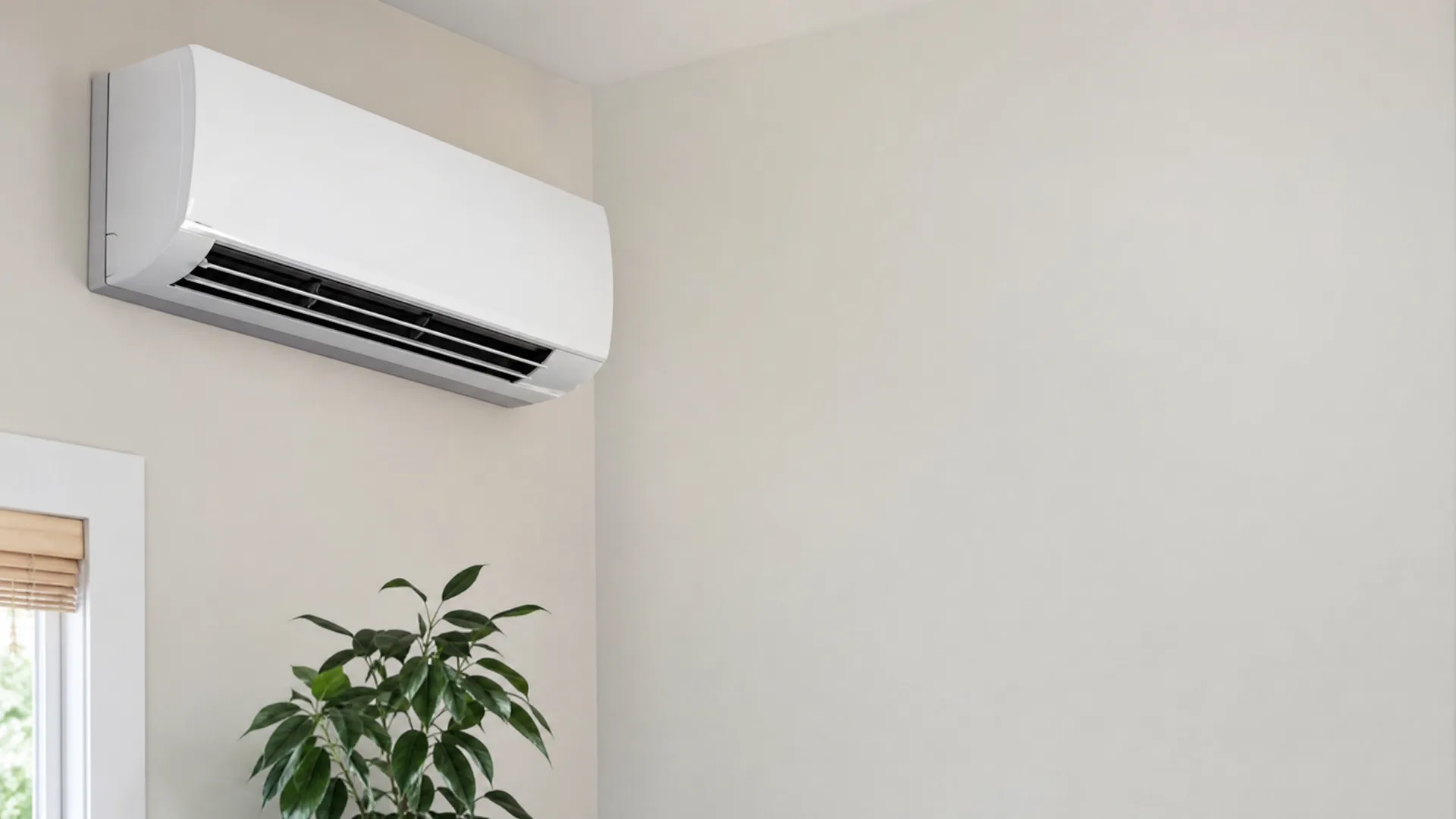
A white wall-mounted mini-split air conditioner installed high on a light gray interior wall below a white crown molding and ceiling with a recessed light.
After you get your mini split repair

Why defrost mode sounds alarming

On cold mornings the outdoor unit may switch into defrost for a few minutes. The fan slows or stops, you might hear a hiss or a louder whoosh, and steam or water can run off the coil. It can sound like something failed. It's the system melting frost off the outdoor coil so it can keep pulling heat from the air. Once the coil is clear, the fan speeds back up and the sound returns to normal. If it happens a few times on a cold night, that's the system doing what it's built to do.

When the noise points to a part

A grinding or squealing sound usually means a bearing in the fan motor is wearing out, not the compressor working harder. A loud buzz that wasn't there before can mean a loose panel or a failing relay. Ice building up on the outdoor unit that doesn't clear after defrost points to a stuck sensor or a refrigerant issue. These sounds don't come and go with the outdoor temperature the way normal operating noise does. They show up once and stay, or they get worse over a few days instead of settling back down.

Power costs 13.26 cents per kilowatt-hour statewide

At 13.26 cents a kilowatt-hour, running your mini split's compressor harder on cold nights costs less here than in most states. That's one reason to let a contractor check out new noises instead of shutting the system off to save money.

EIA-861 2025 statewide residential average

A noise that stays the same every time the system cycles is one thing. A noise that keeps changing, or gets louder over a few nights, means something in the unit is wearing down while you're still using it to stay warm.

Catching that early is the difference between a repair and a system that quits on the coldest night of the year, with your gas furnace as the only backup left running the house.

A bearded man in a blue and brown plaid flannel shirt stands indoors looking out a window at snow-covered trees, with a ceramic mug on the windowsill.
A man in a blue T-shirt sits on a light gray sofa, laughing while looking at an open laptop in the foreground, with a framed picture, lamp and potted plant behind him.
A two-story house with light beige horizontal siding, a gabled roof, a small covered front porch with dark door, and shrubs along the foundation, set behind a mown lawn and wet sidewalk with large leafy trees on both sides.

Nevada summers run dry. Averaged across homes here, the summer dew point sits around 37°F for June, July and August, per NOAA climate data, which is why the heat feels manageable even at high temperatures. That dry air matters now because it tells you the outdoor unit spends summer moving heat through dry coils with little moisture to shed. Come winter, that same outdoor unit is pulling what little heat it can from cold air, and a coil that never had to work hard against humidity is suddenly cycling harder and faster to keep up. If it starts clicking or humming more than it used to, that shift in workload is often why. Worth having someone look at before a small sound turns into a bigger repair.

NASA POWER T2MDEW county cells weighted by homes

The right pro for this job

A new rattle or a grinding sound that wasn't there last winter is different from the clicks and hums that come with normal cycling. That kind of noise usually means a fan blade is loose, a mount has worked itself free, or a motor bearing is going, and none of those get better on their own. Most Nevada homes heat with gas, so the mini split isn't the only thing standing between you and a cold house, but it's still not worth running on guesswork. A contractor who works on these units regularly can tell in minutes whether what you're hearing is the compressor adjusting to a cold night or a part failing underneath it. You don't have to figure out which one it is by listening harder. Send the request and let someone who knows the sound sort it out, so you're not still wondering about it the next cold morning.

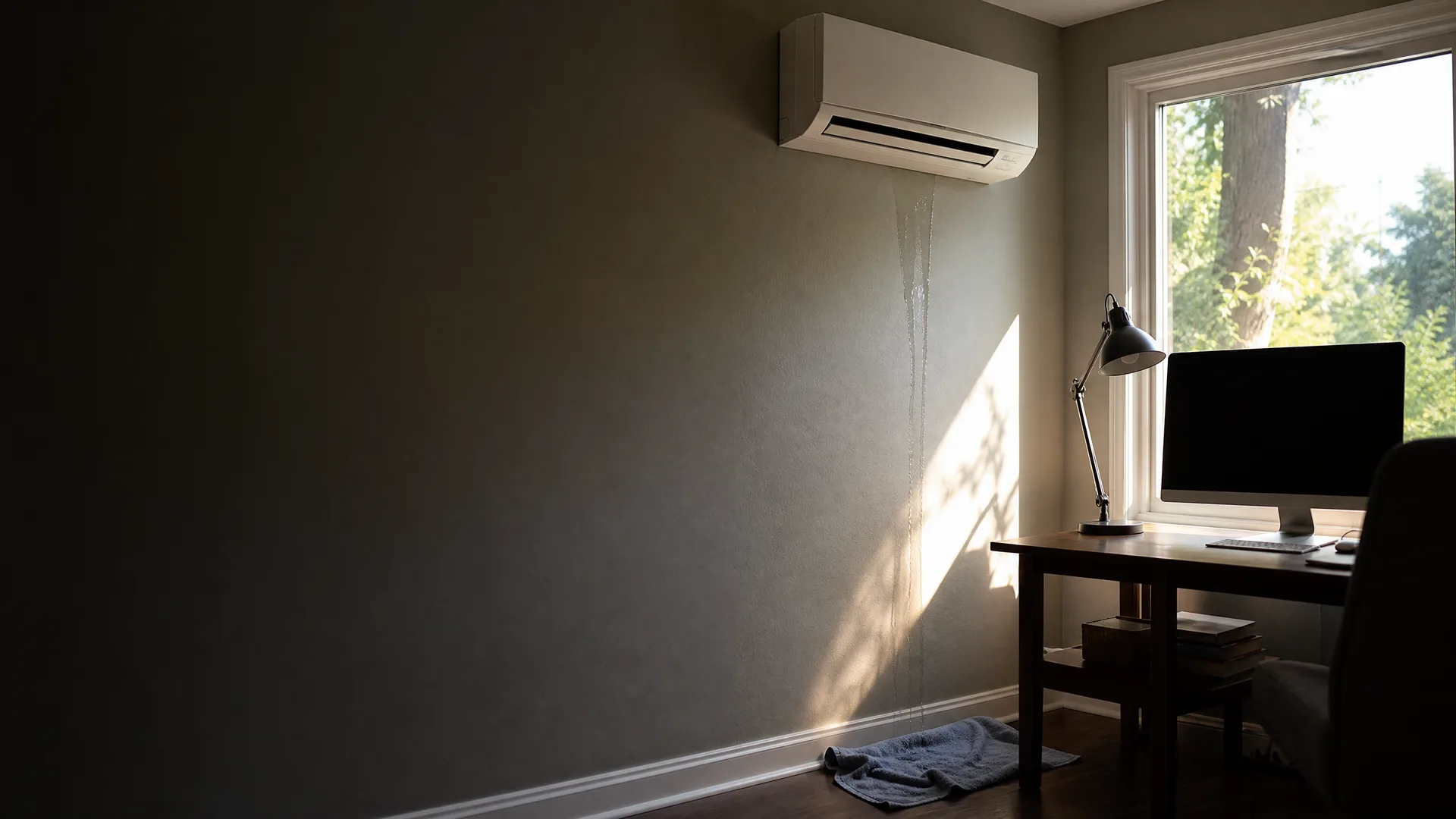
A wall-mounted mini-split air conditioner leaking water down a dim gray wall onto a towel on the floor, beside a window with a desk, lamp and monitor.

You're at your desk on a summer afternoon, the mini split blowing cool air over your shoulder, when you notice the wall underneath it is wet. A streak runs down from the indoor unit to the baseboard, dark against the paint. You grab a towel and lay it on the floor where the water's starting to pool. The unit still sounds fine, no new rattle, no grinding, just the usual low hum. But the drip hasn't stopped, and now there's a small stain spreading on the drywall. You turn the thermostat up a couple degrees, more out of habit than any real plan, and go looking for where the water's actually coming from.


A white wall-mounted mini-split air conditioner on a beige interior wall, with a cream curtain and window at left, a potted plant on a ledge at right, and a wood floor below.
A clean unit like this one cycles quietly, with just a soft whoosh and the occasional click as it starts and stops.
A dusty, discolored white wall-mounted mini-split air conditioner unit installed high on a plain interior wall below a white ceiling molding.
A unit coated in dust like this one has to work harder to push air through, and that strain shows up as noise.

Wait It Out or Call Someone

Leave it alone

  • If the noise hasn't changed since the first cold night, it's probably the compressor cycling the same way it always has in heat mode.
  • You save a service call if it turns out to be nothing, and most winter noises from a mini split are nothing.
  • A unit that sounds the same every morning is giving you the same information you already have, not new information.
  • Waiting costs you nothing if the noise really is just defrost mode or normal cycling, and a lot if it isn't.

Get it checked

  • A contractor can tell you in one visit whether that rattle is a loose fan blade or a mount that's worked itself free.
  • Catching a worn motor bearing or a loose part now means it gets fixed before it strands you without heat on a cold night.
  • You stop guessing about which noises are normal and which ones are your unit telling you something is wrong.
  • Once you send the form, finding someone to look at it stops being your problem to solve.
  • A noise that's getting louder night over night is the kind of thing that's cheaper to deal with early than late.
A white wall-mounted mini-split air conditioner near the ceiling of a beige interior corner, with a green houseplant and a curtained window at the lower left.

Waiting it out

You keep running the system and listening every night to see if the sound changes. Some weeks it doesn't, and you've lost nothing. Other times a bearing or a loose fan blade gets worse a little at a time, and by the point it's obvious, the part has been grinding against something for weeks. You won't know which one you're in until the noise either settles or doesn't, and by then the unit has been working that way the whole time.

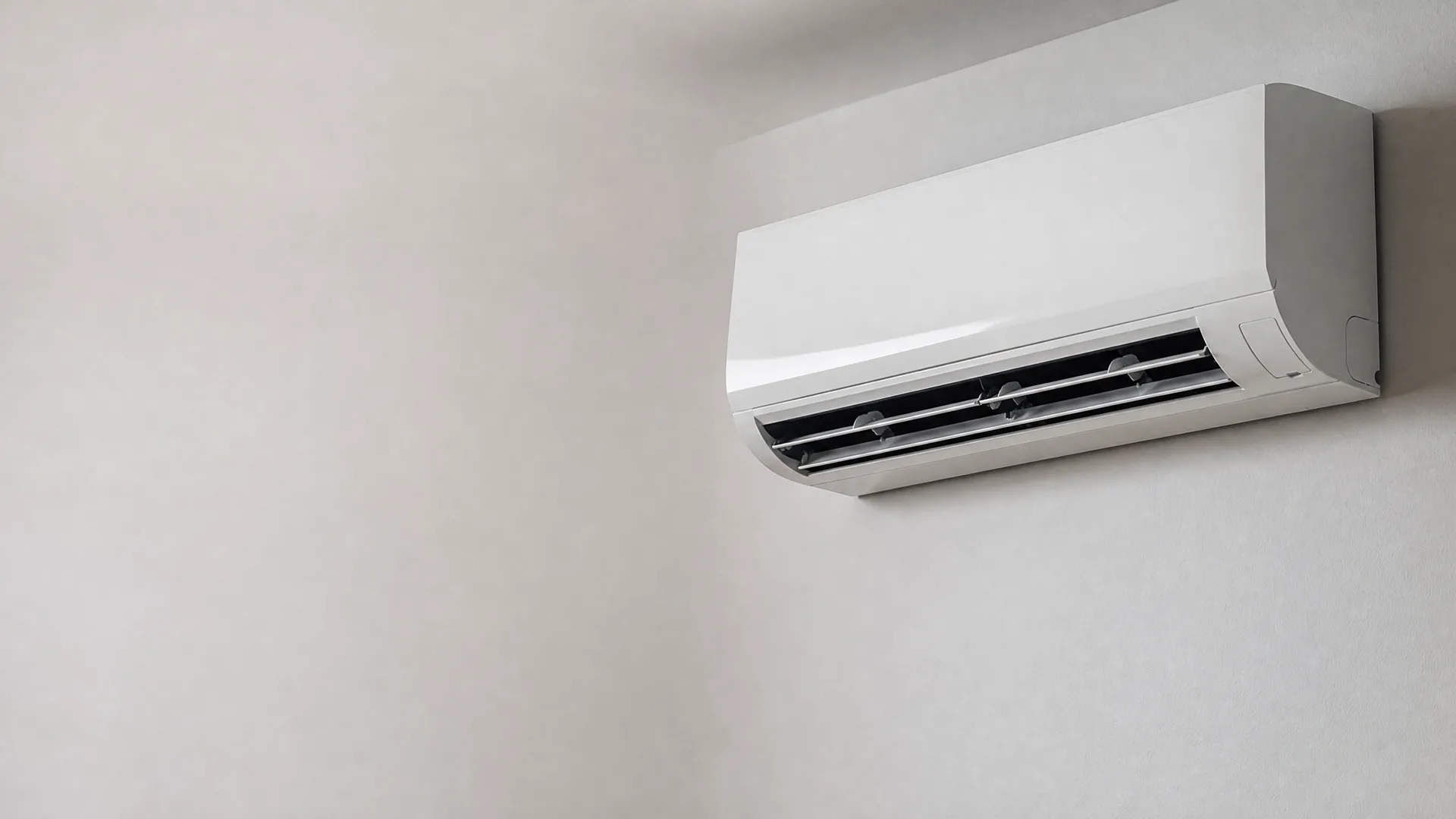
A white wall-mounted mini-split air conditioner indoor unit on a plain light gray wall, positioned to the right of frame.

Having it checked

A contractor can tell within a few minutes whether a sound is the compressor doing what it's built to do or a part wearing loose inside the housing. If it's normal cycling, you've lost nothing but the visit. If it's not, you've caught it while it's still a fan mount or a bearing, not a compressor that seized from running unbalanced all winter. Once you send the request, finding someone to look at it isn't on your plate anymore.

A woman stands in the open doorway of a white stucco house holding the dark door, facing a man in a black cap and shirt seen from behind in the blurred foreground, with a potted flowering plant beside the entry.

Most of what you're hearing is the system working

A mini split that clicks and hums more in January than it did in July is doing what heat mode asks of it. The compressor cycles harder, defrost kicks in on cold mornings, and the noise that comes with both of those is normal. What isn't normal is a sound that keeps changing or gets louder the longer you run it. That's the line worth watching for, and you're someone who already knows to watch for it instead of waiting until the unit stops heating altogether.

If something you're hearing crosses that line, you don't have to figure out what part it is or whether it's worth a service call. Send in what you've noticed and a contractor who works on mini splits in your area will get in touch, look at your specific unit, and tell you what's actually going on with it. You've done the hard part already, which is paying attention. The rest is one form.

Interior corner of a dining room with a round wooden table, a ceramic vase holding olive branches, a dark spindle-back chair near a curtained window, and a sideboard with a lamp against beige walls.
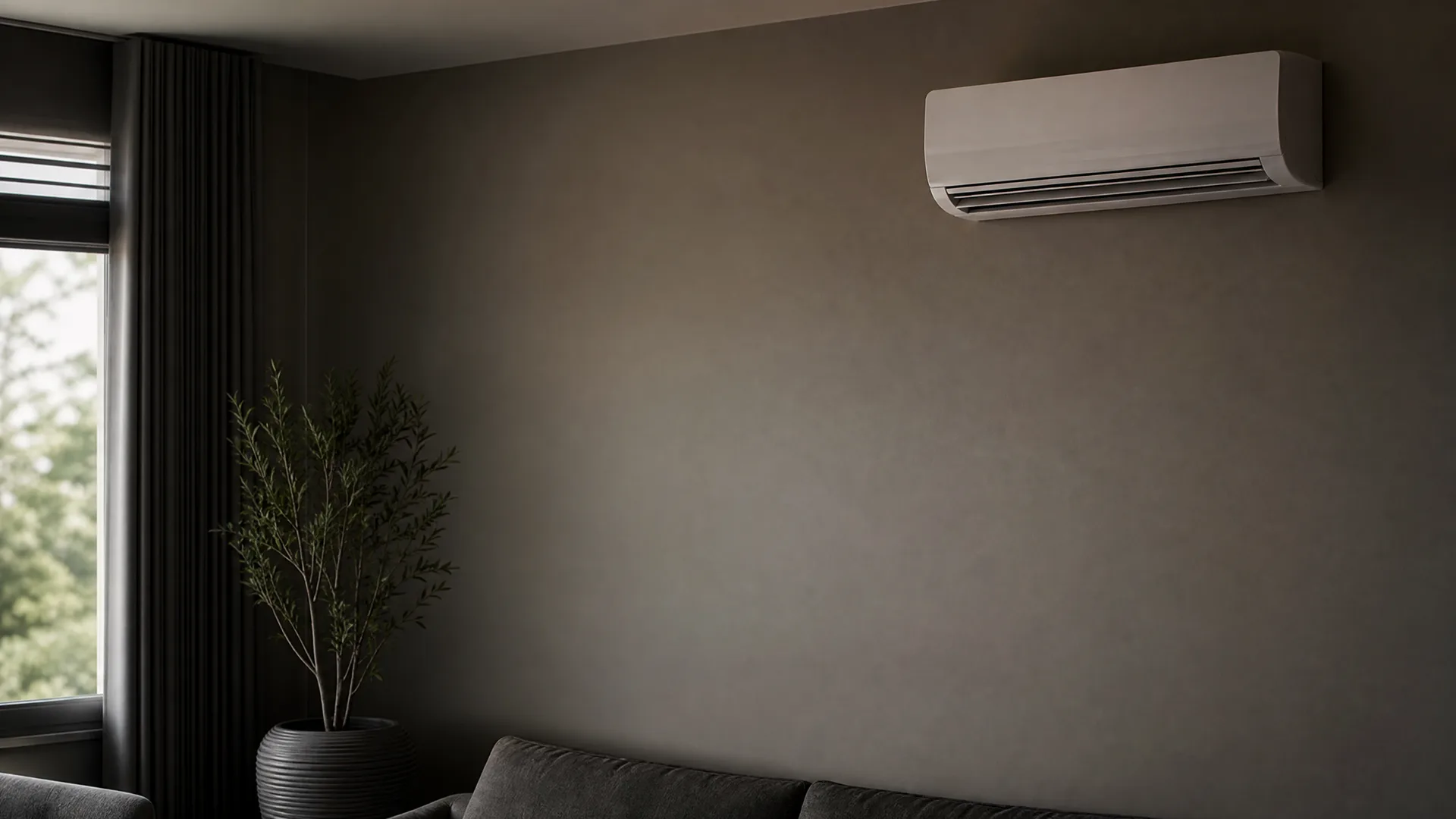
A white wall-mounted mini-split air conditioner high on a dim gray interior wall, with a potted thin-leaved plant, dark curtains and a window at left and a dark sofa at bottom.

Matched to your mini split job

Send the request today and let a mini split pro reach out to you.

Step 1 of 3: Equipment