Skip the round of in-home estimates for a new mini split.
Sizing a mini split for a Nevada home comes down to the room it's heating and cooling, the insulation in that room, how many windows it has, and which direction those windows face. A room on the west side of the house that catches afternoon sun needs more capacity than a shaded room of the same size. There's no single number that works for every house here, even though summers are hot and dry across the state.
Get the size wrong and you feel it twice. Too small, and the unit runs constantly through July and August trying to keep up, without ever quite getting there. Too big, and it cools the room fast then shuts off, so the air never dries out properly, which matters in a place this dry only in the sense that short cycling wastes power without adding comfort. Since most homes here heat with gas, the mini split is likely doing cooling duty most of the year, so getting the BTU count right for summer is where it earns its keep.
Working that out for your specific room, and then running the gas lines, electrical, and refrigerant lines to wherever the unit sits, is a job for whoever installs it. That's the harder part to arrange than it sounds. It usually means searching for a few local contractors, calling each one, explaining your house and your room all over again, then waiting on quotes to compare line by line.
This page skips that part. Tell it about your space once, and it goes to a contractor licensed in Nevada who installs mini splits in homes like yours all the time, someone who already knows how a west-facing room here behaves differently than one that stays shaded all afternoon. Just the one contractor gets your request, not five companies competing for your callback. From there, the sizing conversation and the installation itself are between you and them.
How many BTUs do I need for a mini split in my house?
You want a number before you start calling contractors, something to check their quote against. BTUs scale with square footage, but a flat chart misses what matters in a Nevada house: the west-facing room that bakes all afternoon, the garage conversion with no insulation in the walls. You want to know roughly what you're dealing with before someone comes out and measures it properly.
Figure about 20 BTUs per square foot, then adjust for sun and insulation
A 300 square foot room comes out to roughly 6,000 BTUs as a starting point. That's the baseline for a room with average insulation and normal shade. From there the number moves. A west-facing room with two or three windows catching sun through the afternoon can need 20 to 30 percent more than that baseline, because the unit is fighting heat gain on top of the air temperature. A poorly insulated room, like one over a garage or with single-pane windows, pushes the number up too. An undersized unit runs constantly and never quite catches up on the hottest days. An oversized one cools the air fast but shuts off before it pulls the moisture out, so the room feels clammy even though the thermostat says it's cool. A contractor measuring the room in person is the only way to land on the right number.
Sized right
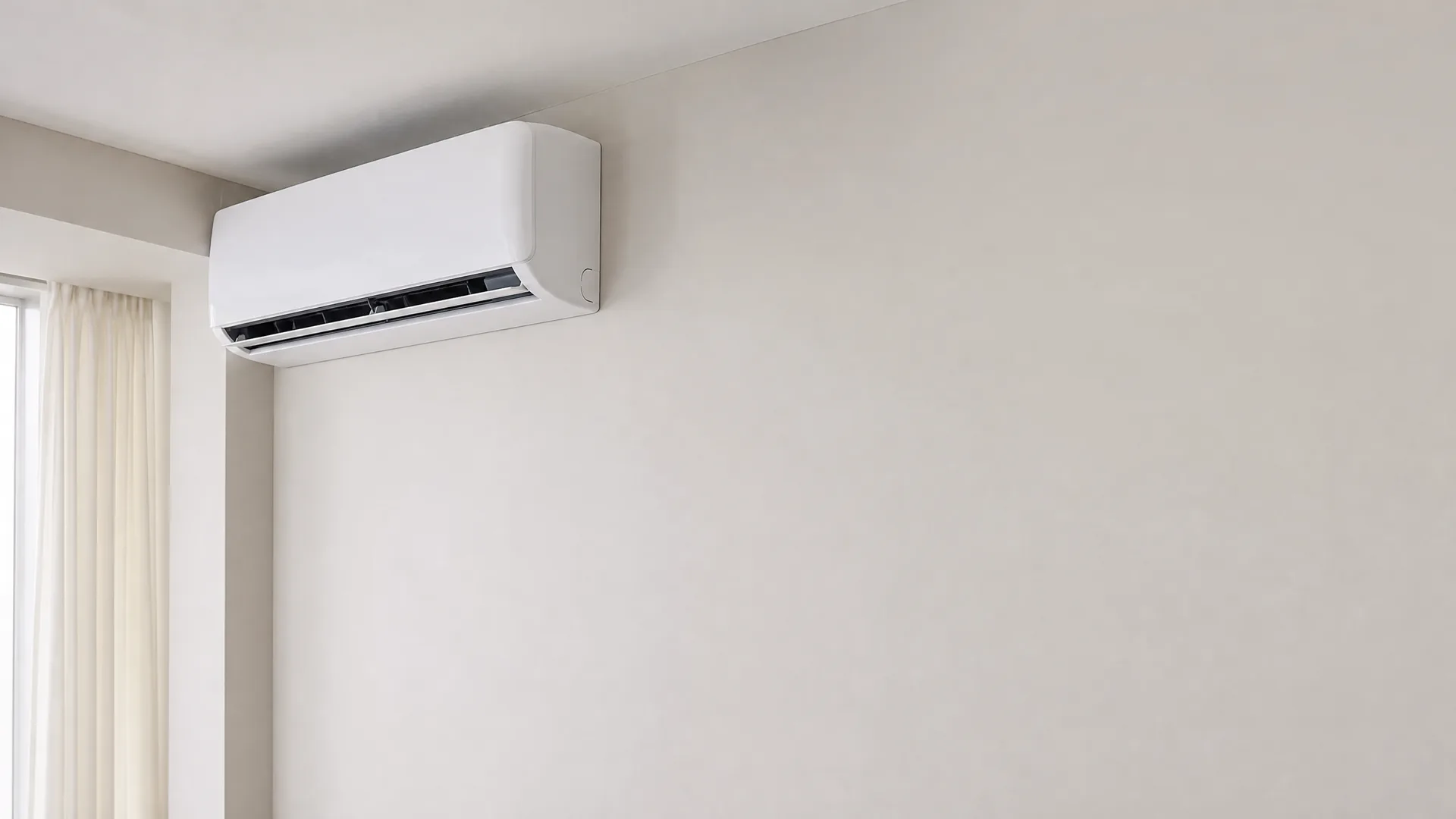
A mini split sized for the room cools it fast and shuts off. It cycles on and off through the afternoon heat, holding the room steady without straining. The casing stays clean because it isn't running longer than it needs to, and it keeps up even when that Nevada sun is hitting the window hard.
Sized wrong
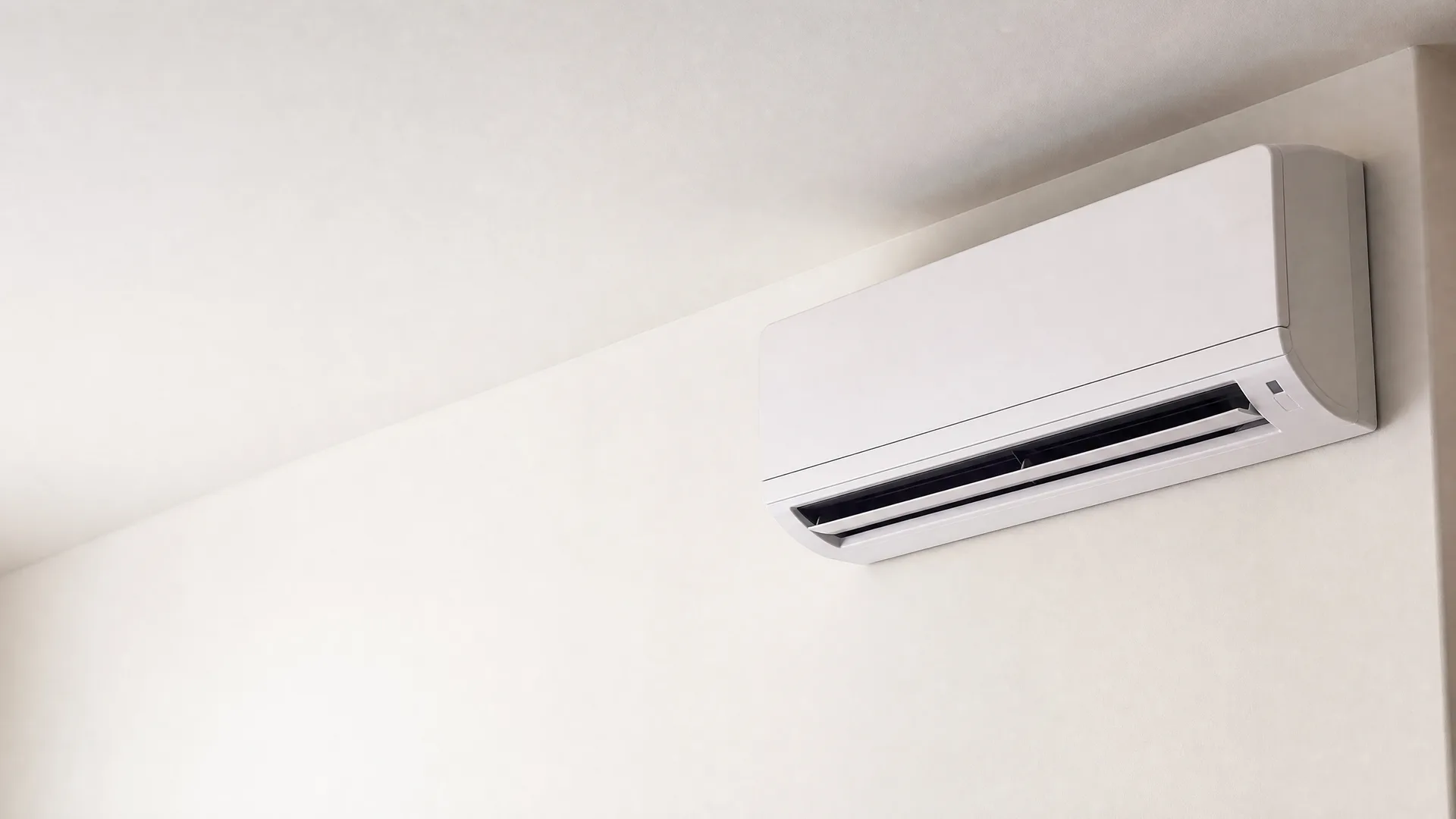
An oversized or undersized unit runs long stretches trying to catch up, and dust collects on the casing faster. One that's too small never quite cools the room on a hot afternoon. One that's too big cycles hard and short, which wears on the parts and leaves the room feeling clammy instead of comfortable.
Get the size wrong and you'll feel it in August
An oversized unit in your front room will chill the air fast, shut off, and leave the house muggy even though the thermostat reads satisfied. An undersized one will run flat out through a 105 degree afternoon and still lose ground. Either way shows up on your power bill, and with the unit short cycling or straining every day from April through October, you're looking at more repair calls over its life, not fewer.
Getting this right means someone measuring your actual room, checking your windows and insulation, before a single BTU number gets written down. That's not something you can shop for over the phone with five different companies reading you numbers off a chart. One licensed Nevada contractor, local to you, can walk the room and size it the way it needs to be sized, instead of you collecting quotes and hoping one of them actually measured anything.
Why oversizing costs more here
A mini split sized too big for the room spends less time running, and in Nevada that works against you. The compressor ramps up, satisfies the thermostat in a few minutes, and shuts down before it pulls real moisture out of the air. It cycles like that all afternoon. More starts and stops wear on the compressor over the years, and the room never feels as dry as a correctly sized unit would leave it, even on a 105 degree day.
What the right size runs on
A correctly sized mini split in a Nevada home runs on long, steady cycles instead of short bursts. The outdoor unit modulates its speed to match the heat coming through the windows and walls rather than slamming on and off. That steady run is what pulls humidity out of the air and keeps the room temperature even from one end to the other. It's also quieter, since the compressor spends most of its time at a lower speed instead of ramping up from a cold start.
Does your mini split ever really catch up on the hottest days?
You notice it most around 4 or 5 in the afternoon, when the sun has been on the house for hours. The unit is running the whole time, the fan never slows, and the room still feels warm near the windows even though the display says it reached the set temperature. Maybe you've started closing the blinds earlier just to help it along, or you've noticed the wall near the indoor unit stays damp or clammy instead of drying out. Some rooms cool fine while this one never quite gets there. A room that struggles every summer and runs constantly puts more wear on the compressor than one that cycles normally, and that shortens how long the unit lasts.
Getting the BTU number right on paper is one thing. Having someone size the unit for your actual room, with your windows and your sun exposure, and install it so it runs the way it's supposed to, is another. That means finding a contractor who works on mini splits regularly in Nevada, not just furnaces, and who's seen what a west-facing room with full afternoon sun does to a unit that's slightly undersized. Instead of calling around and explaining your room to three or four companies, then sorting through quotes that size things differently, this goes to one licensed local contractor who installs these year-round in houses like yours. They've likely already run into the exact problem your room has, whether that's a sizing call on a sunroom or a line set run through a wall that isn't straightforward. You get one point of contact, one visit, one quote to look over, instead of a week of phone tag before the hot months make the wrong size unbearable.
One zone or several, room by room
A single mini split head handles one room. If you're trying to cover a bedroom and a living room off the same compressor, you're really deciding whether one zone can do both jobs at once, and in a lot of Nevada layouts it can't without leaving one room warmer than the other. A multi-zone system gives each room its own head and its own BTU number, sized to that room's windows and sun, not to the square footage of the house as a whole. That's more equipment and more to install correctly. The tradeoff is real: a single zone costs less to put in and has less that can go wrong, while a multi-zone setup costs more upfront but lets a shaded back bedroom and a west-facing living room each run at the size they actually need.
Ducted or ductless, and what each assumes
Most mini splits in Nevada homes are ductless, a head mounted on the wall or ceiling of the room it serves. That works because the sizing math is simple: one room, one load, one head. A ducted mini split hides the unit above the ceiling and sends air through short duct runs to a few rooms, which changes the sizing question entirely. Now the contractor has to account for duct losses and whatever a gas furnace might already be doing in that part of the house, since most homes here heat with gas and the mini split may only need to cover cooling. Ducted makes sense when you want the equipment out of sight. Ductless makes sizing straightforward and keeps installation simpler.
Before you get your mini split installationAfter you get your mini split installation
Running the way it should
A mini split sized and installed correctly cycles on through the afternoon heat and holds the room steady. Air moves freely through the casing and filter, so it keeps pulling moisture out of the air as it runs, not just cooling it.
Running past what it should
Dust and grime build up on the casing and filter when a unit is undersized and running flat out all summer, or when it was never installed with the right airflow around it. The streaks you see are a sign it's working harder than it should, season after season.
Power costs 13.26 cents per kilowatt-hour statewide
At 13.26 cents a kilowatt-hour, running an oversized mini split that short-cycles costs you more than the BTU math suggests, since it's pulling hard on startup again and again instead of settling into a steady run. Getting the size right the first time keeps that cost down all summer.
EIA-861 2025 statewide residential average
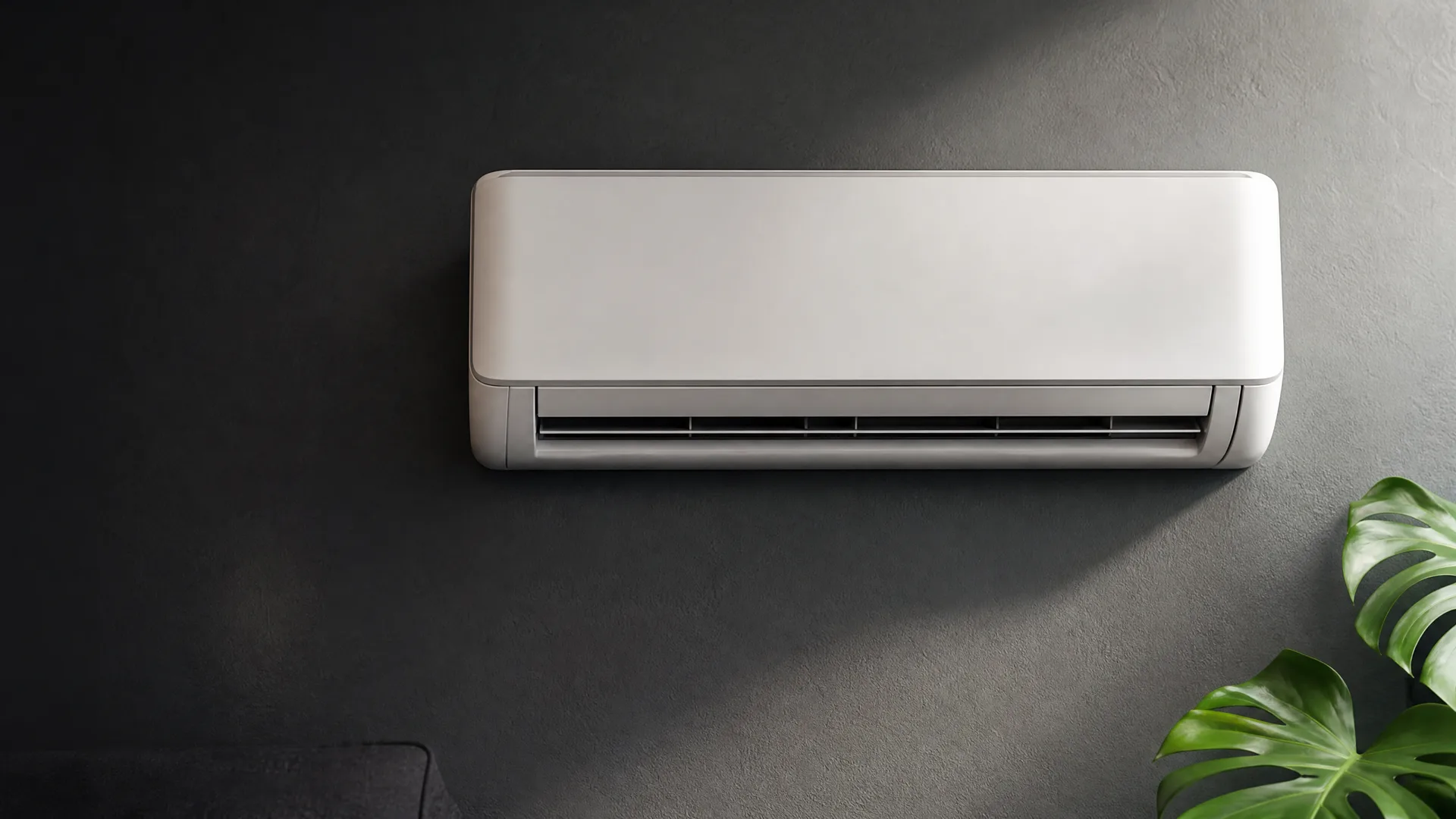
A mini split that matches the room runs quiet and even through the afternoon, holding the temperature without a fight.
Dust like this builds up when a unit works harder than it should, pulling air through the casing longer than a properly sized one would.
That dry air outside is doing you a favor your mini split still has to work for. Averaged across Nevada summers, the dew point sits around 37°F, according to NOAA climate data, which is low. Indoors that shows up differently than it would in a muggy state: the air feels dry fast, but the room doesn't cool down just because it feels dry. A mini split sized for your room still has to move enough air to carry the heat out, and a low dew point won't make an undersized unit catch up on a 105 degree afternoon. The dryness makes the air feel better once the room is actually cold. It doesn't get you there any faster.
NASA POWER T2MDEW county cells weighted by homes
The right size for your mini split comes down to the room itself: its square footage, its windows, and how much sun hits that wall in the afternoon. Get that part right and the unit holds the room steady through the heat without straining or short-cycling. That's a sizing job, not a guess, and it's worth having someone handle it who installs these units in Nevada homes all summer and knows which rooms give the trouble, the west-facing ones with the big windows, the ones that never quite cool down by evening. A contractor who works on this equipment locally has already seen what happens when a unit gets matched to the wrong room, and sizes around it instead of around a chart. You'll hear from one contractor, not a handful, so there's no sorting through competing quotes or explaining your windows and your walls more than once. The sizing questions above gave you the number to check against. What happens next is making sure the install matches it.