Split Systems NV

What a mini split tune-up covers in Nevada

Send the form, and lining up the mini split tune-up stops being yours to chase.

Hand it off

What does a mini split tune-up include in Nevada?

You run your mini split hard through the summer here, and you want to know what you're actually paying for before the heat comes back. A tune-up sounds routine until you ask what's inside it, so here's what a technician actually checks and does on a visit, and why each part matters before Nevada's next stretch of 100-degree days.

It covers the coils, the filters, the refrigerant charge, and the drain line

A technician cleans the indoor and outdoor coils, because dust and grit cut how well the unit moves heat out of your house. The filters get pulled and washed or replaced. The refrigerant charge gets checked against what the system calls for, since a mini split low on refrigerant works harder and cools less. The condensate drain line gets cleared so water doesn't back up into the indoor head. The outdoor unit gets checked for a clean path around it, since Nevada dust and dry grit build up fast on the fins. Electrical connections get tightened, and the system gets run through a cycle to confirm it's actually cooling and heating the way it should before the next stretch of hot months.

A man in a blue sweatshirt reclines with closed eyes in a brown leather armchair in a living room with a bookshelf, houseplant, sofa, window, and a side table holding newspapers and a dark mug.
A bearded man in a gray pullover reclines with closed eyes on a brown leather sofa in a sunlit room with a window, framed picture, potted plant, and a wooden cabinet holding papers and a dark mug.
A man in a gray sweater leans back with closed eyes in a brown leather armchair beside a wooden side table holding a dark mug and a folded newspaper, with bookshelves and a window seat behind him.
A man in a green sweater reclines in an armchair with his eyes closed and a slight smile, beside a window with plants, a small table holding a mug and folded newspaper, and bookshelves behind him.

Tune-up now or deal with it in July

Tune-up now

  • A tech cleans the indoor coil and the filters so the head can pull its full airflow when July hits.
  • The condensate drain gets cleared, which matters here since a clogged one is the usual reason a head starts dripping indoors.
  • Refrigerant charge gets checked against what the manufacturer specifies for your line length, not just topped off by guess.
  • The outdoor unit gets its coil and fan cleared of dust and cottonwood fluff before the heat forces it to run flat out.
  • Electrical connections and the capacitor get checked, since a weak capacitor is what usually strands people without cooling in August.
  • You get told now what's wearing down, while there's still time to deal with it before the hot months arrive.

Skipping it

  • A dirty coil or filter makes the system work harder to move the same air, and that shows up on a power bill all summer.
  • A clogged drain line doesn't announce itself until water is coming out of the head onto your floor or wall.
  • A low charge won't make the system quit outright, it just cools less and runs longer to get there.
  • Dust and debris on the outdoor coil build up slowly, so the drop in cooling is easy to blame on the heat instead.
  • A failing capacitor tends to go in the middle of a run, usually on one of the hottest days of the year.
  • Whatever's worn gets found later, mid-summer, when the only option left is a repair instead of a planned fix.
A white wall-mounted mini-split air conditioner unit installed high on a light gray interior wall near the ceiling, with a white-framed window and green foliage visible at the left edge.

Clean and maintained

The filters are clear and the coil behind them is clean, so the head pulls full airflow and the room actually cools. Nevada dust is fine and it gets into everything. A clean unit keeps the air moving the way it's supposed to, all summer long.

A dusty white wall-mounted mini-split air conditioner installed high on a beige interior wall below a molded ceiling trim.

Dirty and overdue

Dust has built up across the casing and the vents, and the filter inside is coated. Air has to push through that buildup to get into the room, so the head works harder and cools less. Dust this heavy usually means the coil behind it is dirty too.

Why does your mini split feel weaker than it used to

You notice the head running longer to hit the same temperature, or the room just doesn't get as cold as it did last summer. Maybe there's a thin film of dust on the grille, or the air coming out feels more like a breeze than real cold. Some owners notice a drip under the indoor unit, or a musty smell when it first kicks on. None of that is dramatic on its own, but a head pulling less air works harder for the same result, and in a Nevada summer that means longer runtimes right when the outdoor unit is already working against the heat. Left alone through another season, a dirty coil or a slow drain tends to turn into the kind of repair that wasn't needed yet.

  1. Tech pulls the front cover and lifts out both filters

  2. Filters get washed clear of dust and set aside to dry

  3. Indoor coil gets sprayed down and combed clean of buildup

  4. Condensate drain gets flushed so the line can't back up

A white wall-mounted mini-split air conditioner installed near the ceiling on a light-colored interior wall, with a window and green foliage visible at the left edge.
This is what a head looks like when the filters are clear and the coil behind them gets cleaned on schedule, pulling full airflow all summer.
A dusty white wall-mounted mini-split air conditioner indoor unit installed high on a beige interior wall below a white ceiling and trim.
Dust builds up fast in Nevada air, and a head left alone like this is losing airflow and running longer to cool the same room.
A gray-haired man with a beard in a blue button-placket shirt reclines on a couch with his eyes closed, beside a sunlit window with a green plant.
A woman in a cream knit sweater sits in an armchair with her eyes closed near a window showing yellow autumn foliage, with a mug on a round wooden side table beside her.

One request and it's handed off

You've read what's in a tune-up. What's left is finding someone local to actually do it, and that's easy to put off once the dust and the dripping drain stop being an emergency. Mini splits here run hard from April through October, and the heads that get skipped one summer are the ones calling for a service repair the next. Send the request and it goes to one contractor, not a handful calling you back at once, someone who works on these systems all season in this heat and knows which head is going to act up before it does. That's one less thing on your list before the next heat wave hits, and you're not the one chasing down a tech to do it.

Why the outdoor unit still matters

Most of a tune-up happens at the indoor head, but the outdoor unit does the heavy work of rejecting heat all summer. A tech checks that the fan spins freely and that the coil fins aren't packed with dust or caked with the fine grit that blows around out here. A blocked outdoor coil makes the compressor work harder to move the same heat, and that shows up as longer run times and a system that struggles on the hottest afternoons rather than one single breakdown.

What a refrigerant check tells you

A mini split is sealed at the factory with a set amount of refrigerant, and it doesn't burn off or get used up the way fuel does. If a tech finds the charge low, that means it's leaking out somewhere in the line set, not that it needed topping off on schedule. Checking the charge during a tune-up catches that leak early, before it costs you cooling capacity for the rest of the summer or turns into a bigger repair once the level drops too far.

A wall-mounted mini-split air conditioner indoor unit with a yellowed plastic casing and dark horizontal vent louvers, installed on a plain light-gray wall.
Before you get your mini split maintenance
A white wall-mounted mini-split air conditioner on a light gray wall in an empty room with dark wood flooring, white baseboards, a tray ceiling with recessed lights, and a window at the left.
After you get your mini split maintenance

Power costs 13.26 cents per kilowatt-hour statewide

At that rate, a mini split is one of the cheapest things in your house to run. That's exactly why a dirty coil or a weak filter is such a waste: you're still paying the same cheap rate for air that isn't cooling the room like it should.

EIA-861 2025 statewide residential average

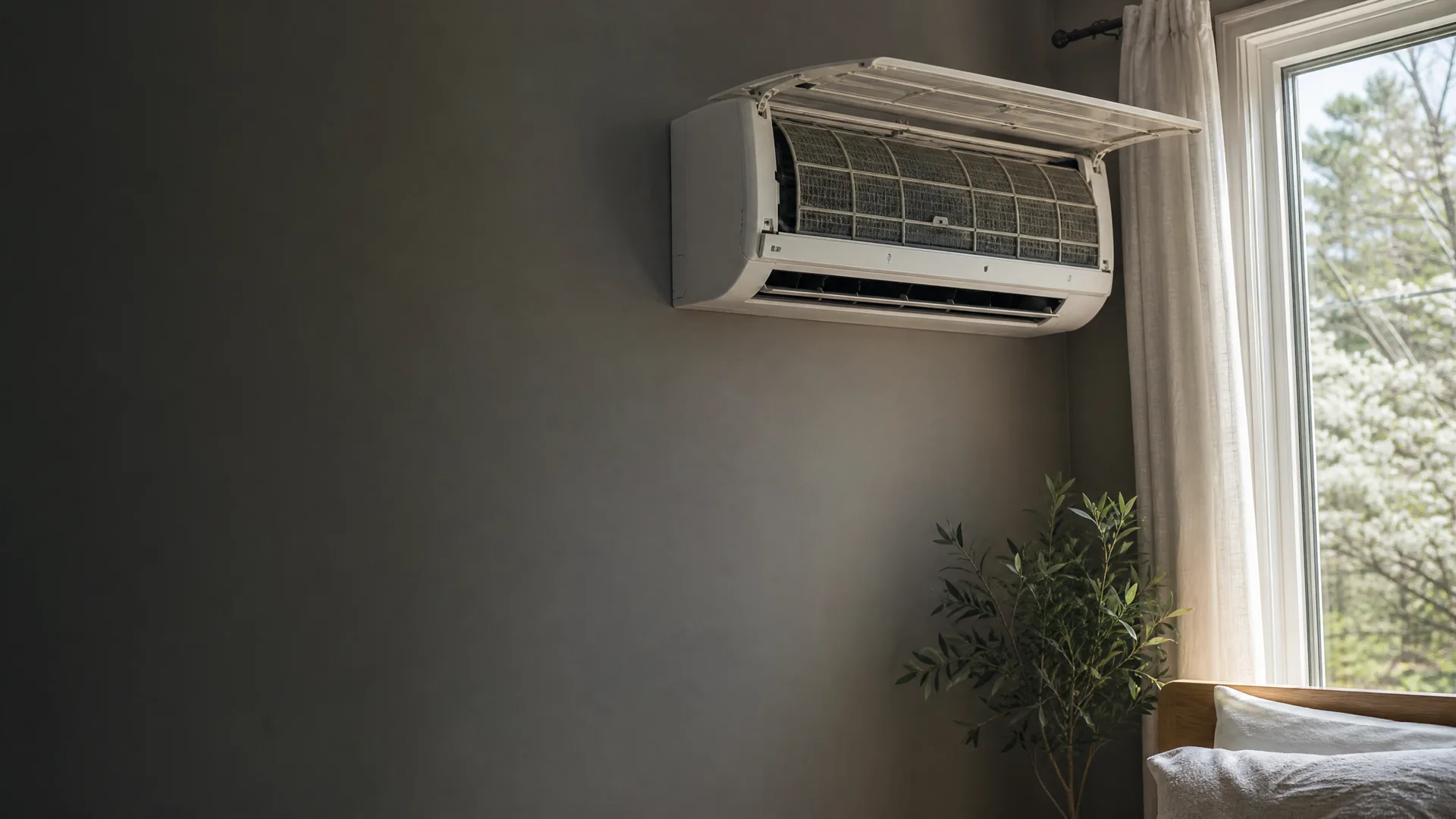
A wall-mounted mini-split air conditioner with its front cover open exposing the filters, on a gray interior wall beside a curtained window with green trees outside and a potted plant below.

It's late afternoon and the bedroom is still bright. The tech has the front cover of the head propped open, and the filter screen sits pulled halfway out, grey with a season of Nevada dust. You can see it clinging in the mesh, the kind that settles on everything here by spring. He taps the screen against his palm, and a little of it drifts down and catches the light from the window. The room hasn't gotten properly cold in weeks, not since you started noticing the unit running longer in the evenings. He sets the filter down on a towel to dry and reaches back in for the second one, checking the coil behind it before he moves on.


A mini split tune-up in Nevada comes down to a clean filter, a clean coil, a clear drain, and an outdoor unit that can actually shed the heat it's pulling out of your house. That's what keeps a head cooling a room the way it did when it was new, and it's what a season of dust slowly takes away if nobody looks at it. You don't need to track down three companies and compare quotes to get that done. Once you send the request, you're matched with one local contractor, someone who works on these systems all summer and already knows which heads show up dripping and which coils show up packed with dust. No flood of calls, no sales pitches to sort through, just the person who's going to do the work. The heat is coming back. Your mini split either gets looked at before then or it doesn't, and you already know which one leaves you better off in July.

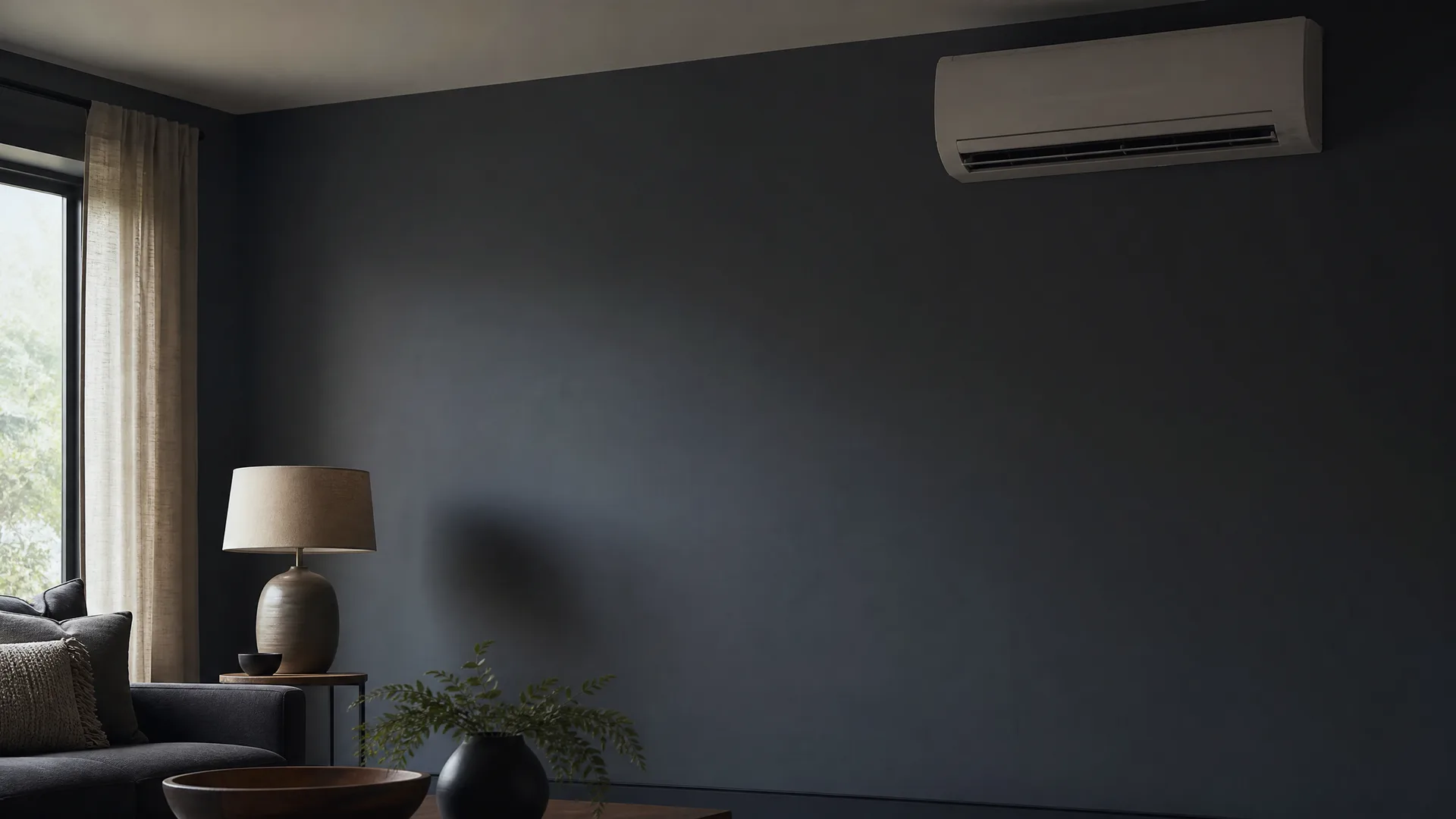
A dimly lit room with a dark gray wall holding a white wall-mounted mini-split air conditioner near the ceiling, with a sofa, table lamp, potted plant, and curtained window at left.

Done looking for a mini split pro

Only one pro gets your request, so you hear from one company.

Step 1 of 3: Equipment