









How cold is too cold for a mini split in Nevada

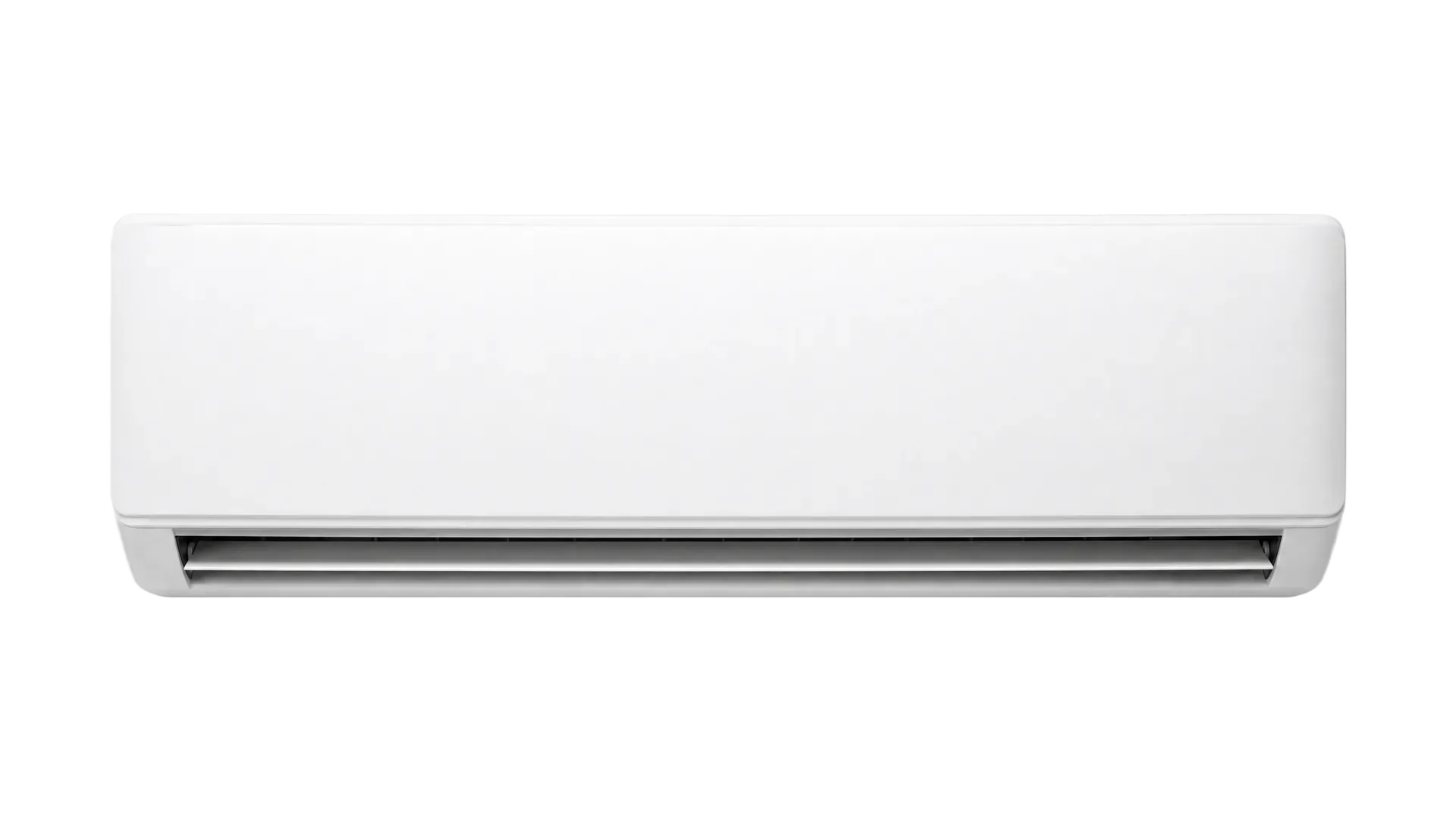
A white wall-mounted mini-split air conditioner indoor unit with a horizontal louvered air outlet, shown against a plain light gray background.
Get my match

Most mini splits start losing heating power somewhere around 5 degrees Fahrenheit, and below that they struggle to keep up. The cold doesn't break the unit. It changes how a heat pump works: it pulls warmth from the outside air, and the colder that air gets, the less warmth there is to pull. In most of Nevada, winter nights in the valleys and lower desert rarely stay that cold for long, so a mini split can usually carry the heating load on its own. Up in the higher elevations and mountain towns, nights drop into that range more often, and a mini split alone may fall behind on the coldest stretches. Since most homes here already heat with gas, a mini split in those areas often works best paired with the furnace rather than replacing it, so the furnace picks up what the cold takes away from the heat pump.

A wall-mounted mini-split air conditioner indoor unit with a discolored cream plastic casing and dusty outlet vanes, installed high on a plain light-colored interior wall near the ceiling.
Before you get your mini split installation
A white wall-mounted mini-split air conditioner installed high on a beige interior wall near the ceiling molding, with a light curtain and curtain rod at the left edge.
After you get your mini split installation

Why cold air holds less heat

A heat pump moves heat, it doesn't make it. At 40 degrees, there's still plenty of warmth in the outside air for the system to pull inside. As the number drops toward 5 degrees, there's less heat left to grab, so the unit has to work harder for the same result. Below that point, most units add electric resistance heat to make up the difference, which is less efficient than the heat pump itself. That's the tradeoff. It's not a malfunction, it's just physics catching up with the thermostat setting.

Why Nevada winters rarely test this

Nevada winters can bring plenty of cold nights, but gas furnaces handle most homes here already, and mini splits are usually installed for the rooms or additions a furnace doesn't reach well. A mini split in that role doesn't need to carry the whole house through the coldest stretch of the year. It's worth checking the lowest-temperature rating on whatever unit you're considering, since cold-climate models are built to keep working heat pump heat well below 5 degrees, while standard models give up that advantage sooner.

An older woman with gray hair in a cream knit sweater sits under a blanket on a sofa by a window, looking outside toward yellow-leaved trees, with a lamp, shelves and an armchair in the room behind her.
A gray-haired woman in a chunky knit sweater sits in an armchair with a blanket, looking out a window at yellow autumn foliage, with bookshelves and a potted plant behind her.
A gray-haired woman in a navy sweater sits in an armchair with a knit blanket beside a window, looking out at yellow autumn foliage, with a dining table and houseplant in the room behind her.
A gray-haired woman in a gray cowl-neck sweater sits in an armchair with a blanket, looking out a dark-framed window toward yellow autumn trees.

What Happens Below Freezing

  • Below 5 degrees, the compressor runs longer to pull the same amount of heat from the air outside.
  • Most mini splits built for cold climates switch to a backup heat strip or rely on a paired gas furnace once the outdoor coil can't keep up.
  • Frost builds on the outdoor unit as it gets colder, so the system pauses to run a defrost cycle and blows cool air inside for a few minutes.
  • A mini split sized for Nevada summers can be undersized for the few nights a year that drop near freezing or below.
  • The indoor head still blows air during a defrost cycle, which can feel like the system quit even though it's working as designed.
  • Since most homes here already heat with gas, a mini split in Nevada often works as the cooling system and backup heat rather than the only source of winter warmth.

A mini split works by moving heat from the outside air into your house, not by burning fuel to make it. At 40 degrees that's an easy job. Near freezing, the compressor has to run longer and harder to pull the same warmth out of thinner, colder air. Once the outdoor coil gets cold enough, frost forms on it the same way frost forms on a car windshield overnight. The system has to stop heating and run a defrost cycle to clear it, which means the indoor head blows cool or lukewarm air for a few minutes. That's normal operation, not a malfunction, but it can feel like the unit gave up right when you need it most.

This is why cold-climate mini splits pair with a backup heat strip, or in a lot of Nevada homes, with the gas furnace already in the house. The mini split handles summer cooling and takes the edge off mild winter nights, while the furnace covers the nights that drop near or below freezing. A unit sized around how hot it gets here in July doesn't automatically have the output to carry a January night on its own. Knowing that going in changes how the system should be sized and how it should be paired, which is a question worth settling before the install rather than after the first cold snap.

A woman in a cream knit sweater sits in an armchair with her eyes closed and head tilted back, beside a window showing orange autumn foliage and a wooden side table with a mug.
A gray-haired man in a blue quarter-zip sweater sits in an armchair with his eyes closed, beside a large window with bare trees outside and a potted plant and lamp nearby.
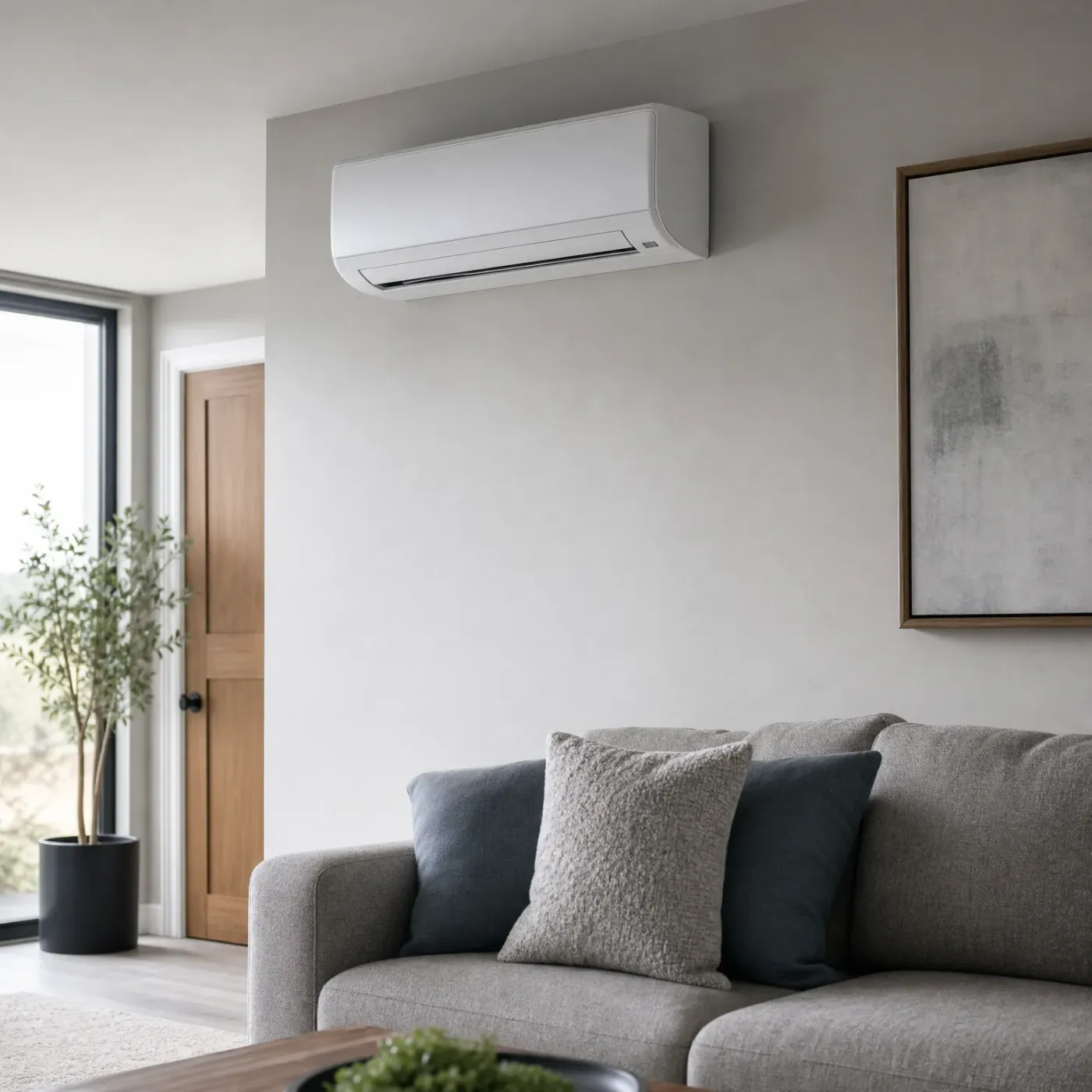
A white wall-mounted mini-split air conditioner on a light gray wall above a gray sofa with cushions, with a framed abstract artwork at right, a wooden door and potted plant at left.

A mini split pro near you

Explain the job once and skip repeating it on every call.

Get in touch with a local installer about a new mini split.

Request a pro

You only hire the pro if you want to.

Mini Split Alone or Paired With Gas

Mini split alone

  • Below 5 degrees it has to run almost constantly to hold the house at temperature, and recovery after a cold snap takes longer.
  • Nevada winter nights in the higher desert and mountain towns drop well past that mark, so the unit is working its hardest exactly when you need it most.
  • A single mini split sized for summer cooling is often undersized for the coldest nights, leaving rooms farther from the head noticeably cooler.
  • No backup means a hard freeze or a control board fault leaves you without heat until it's fixed.
  • Without a gas line already running to the house, a mini split is the only heat source, which raises what it has to carry on the worst nights.

Mini split with gas furnace

  • Most homes in Nevada already heat with gas, so the furnace can take over once the outdoor temperature drops past where the mini split loses capacity.
  • The furnace doesn't care how cold it gets outside, so the coldest nights of the year aren't a weak point.
  • The mini split still handles the shoulder months and mild winter days, when it's running well within its range.
  • With power priced the way it is here, running the mini split for most of the winter and the furnace only on the coldest stretches keeps the system efficient without leaning on either one past its limit.
  • Setting up the switchover between the two, so the furnace kicks in before the mini split is struggling rather than after, takes a contractor who installs both and knows how to pair them.
A two-story house with cream horizontal siding, a dark gabled roof, and a white front door, fronted by a lawn, shrubs, and a concrete walkway leading to a sidewalk and street, with large leafy trees on both sides.

Summers in Nevada run hot, but the air itself is dry. Averaged across homes here, the summer dew point sits around 37°F, according to NOAA climate data, which is low as these things go. That matters more for cooling than heating, but it's worth knowing for the same unit: dry air holds less moisture for your mini split to pull out, so it spends less effort wringing out humidity and more just moving heat. Winter is the season that actually tests the equipment here. On those cold nights, especially up in the higher desert, the same unit that barely notices a dry Nevada summer can struggle to pull enough warmth from the air outside.

NASA POWER T2MDEW county cells weighted by homes

What are you noticing on the cold nights

Set the mini split to 70 and check an hour later. If it reads 64 or 65, the unit is still running but losing ground. Listen for it too. On a genuinely cold night the outdoor unit runs almost nonstop instead of cycling on and off, and the air coming out of the indoor head feels cooler than it should for the setting. You might also see frost building on the outdoor coil, which forces the system into a defrost cycle and stops it from heating for a few minutes at a time. None of this means the equipment is failing. It means the outdoor air is cold enough that the mini split can't pull much warmth from it. Left alone on the coldest nights, the house will drift colder than you set it, not warmer.

A white wall-mounted mini-split air conditioner unit installed high on a light gray interior wall near the ceiling, with a white-framed window and green foliage visible at the left edge.

Running fine

On a mild desert night the mini split keeps pace without strain. You can hold a window cracked for air and the unit still brings the room back to temperature in a few minutes. The coil stays clean, the fan cycles on and off, and the room holds steady at whatever you set it to.


A dusty white wall-mounted mini-split air conditioner installed high on a beige interior wall below a molded ceiling trim.

Falling behind

Dust on the casing is one thing, a dirty filter blocking airflow is another, and either one makes a cold night worse. When the filter is clogged the unit has to work harder to move the same air, right when the outdoor coil is already struggling with the cold. Open the panel and check it before winter gets hard.

Power costs 13.26 cents per kilowatt-hour statewide

At 13.26 cents per kilowatt-hour, running a backup heat strip on the coldest nights costs less here than in most states. A gas furnace paired with your mini split still makes sense for the deep cold, but the electric backup won't hurt much when you need it.

EIA-861 2025 statewide residential average

  1. Outdoor air gives up less heat as the temperature drops toward 5 degrees.

  2. The compressor speeds up to pull the same heat out of thinner air.

  3. Below that point, frost forms on the outdoor coil faster than it can defrost.

  4. The system shifts load to a backup heat strip or a paired gas furnace.

A woman stands in the open black front door of a white-sided house with a dark shingled roof while a man in a navy jacket approaches along the walkway, with lantern wall lights, a potted shrub, and flowering garden beds nearby.

So that's the number that matters

Five degrees is the line. Above it, your mini split does the job on its own. Below it, something else has to carry part of the load, whether that's a gas furnace or a backup heat strip. Most of Nevada stays warmer than that most nights. The higher desert and the mountain towns don't, and if that's where you live, plan around it rather than finding out the hard way.

Picking the right unit, sizing the backup, and setting it up to switch over without you thinking about it isn't a one-size job. It depends on your house, your current system, and how cold it actually gets where you are. That's the part worth handing to someone who installs these for a living. Once you're matched with a contractor who works in your area, they'll reach out and go through what your place actually needs instead of you guessing at it.

A dark ceramic mug on a round wooden table beside a light grey sofa with a woven cushion and knit throw, with a window, potted plant, floor lamp and wooden cabinet blurred in the background.
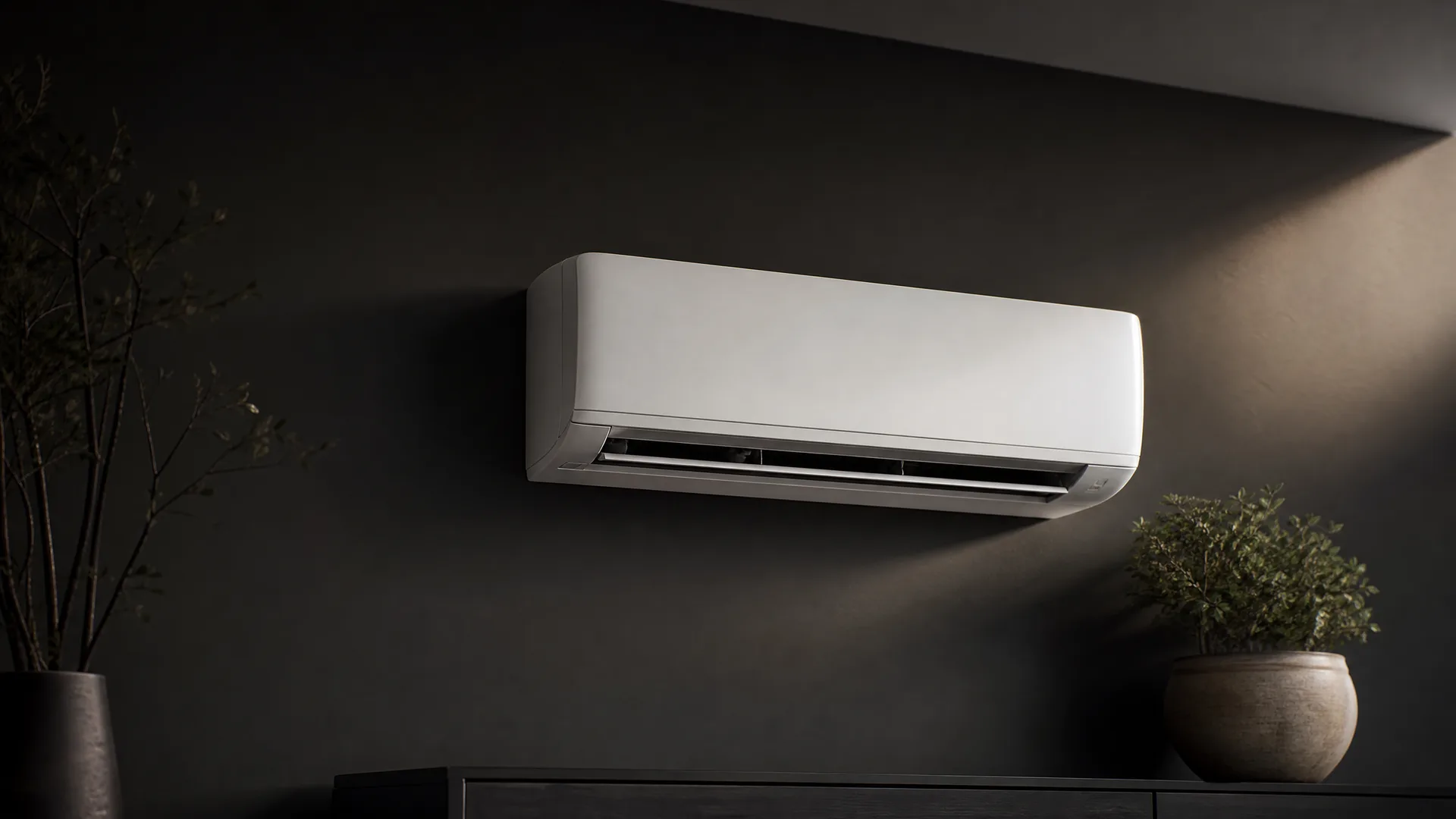
A white wall-mounted mini-split air conditioner on a dark gray interior wall, with potted plants on either side and a dark cabinet below.

A local pro for your mini split installation

Step 1 of 3: Equipment