Running clean
A mini split like this one earns its keep. The coil stays clear, the vent swings open without resistance, and the air coming off it carries the heat it's supposed to. This is what keeps a winter bill down.

A mini split usually lowers heating bills in Nevada if the home is heating with gas now. Gas furnaces burn fuel to make heat. A mini split is a heat pump, and it moves heat instead of making it, so it puts out more heat energy than the electricity it uses to run. Power in Nevada is cheap, which helps the math even more, since the cost per unit of heat it delivers tends to come in under what the gas furnace is costing. Winters here are mild compared to colder states, and that matters too, because a heat pump works hardest and loses efficiency when outdoor air gets very cold. In Nevada's milder winters, a mini split stays efficient through most of the season. If your home currently heats with gas, switching that load to a mini split is usually where the savings show up.




A gas furnace is rated for efficiency in the 80s or 90s, meaning most of the fuel you pay for becomes heat. A mini split can move two to three times more heat energy than the electricity it draws.
That difference is why it can beat gas even with power priced low and gas priced low. You're not comparing two fuels burning at the same rate. One makes heat, the other moves it.


A mini split doesn't burn anything to make heat. Its outdoor unit has a compressor that pulls heat out of the outside air, even on a cold morning, and moves it inside through the refrigerant line. Inside, the head blows room air across a coil that's warmer than the room, so what comes out feels warm right away, not after a few minutes of warming up. The compressor is variable speed, so it runs harder when the room is losing more heat and eases off when it isn't, rather than snapping on and off at full output every time. There's a limit to this. Below a certain outdoor temperature, the compressor can't pull enough heat from the air on its own, and an electric strip kicks in to cover the gap. That backup runs on straight resistance heat, no different from a space heater. On cold, damp mornings the outdoor coil can frost over, and the unit runs a short defrost cycle, a few minutes of cool air, before it switches back. Since there's no ductwork, whatever heat it makes goes straight into the room it's mounted in, with nothing lost along the way.


Your gas furnace probably still kicks on by itself on the coldest nights, and that's fine. A mini split carries the load the rest of the winter, and the furnace covers the stretch where it would have to work too hard to be worth it. You'll feel the difference in how the house holds temperature. A furnace blasts hot air and shuts off, so the room drifts between warm and cool. A mini split runs at a lower output for longer, so the thermostat sits closer to one number most of the day.
What you get out of it depends on upkeep you can actually see. The filter in the indoor head and the coil on the outdoor unit need to stay clear, because a mini split working against a blocked filter or a buried outdoor unit draws more power for the same heat, and that eats into whatever you were saving. If your gas furnace relies on ducts that run through an attic or crawlspace that isn't heated, you're paying for heat that leaks out before it reaches a room. A mini split sends heat straight from the outdoor unit to the indoor head with no duct run in between, so that loss doesn't exist for whatever rooms it covers.
If you're only installing one or two units to cover the rooms you use most in the evening, the furnace still handles the rest of the house. The bill still drops, just by less than if the mini split carried the whole home. Either way, the savings shows up as long as the furnace isn't still doing work the mini split could be doing instead.
At 13.26 cents a kilowatt-hour, running your mini split instead of the gas furnace still comes out ahead, since it moves two to three times more heat than the electricity it uses. That gap is what keeps your bill down even with power costing what it does here.
EIA-861 2025 statewide residential average

A mini split like this one earns its keep. The coil stays clear, the vent swings open without resistance, and the air coming off it carries the heat it's supposed to. This is what keeps a winter bill down.

Dust packed across the casing and grime on the vent panel mean the unit works harder to move the same heat. Left like this, it draws more power than it should, and the savings you're counting on start to disappear.


Describe your mini split job once, to one pro.
It costs nothing to send, and you don't have to hire anyone.
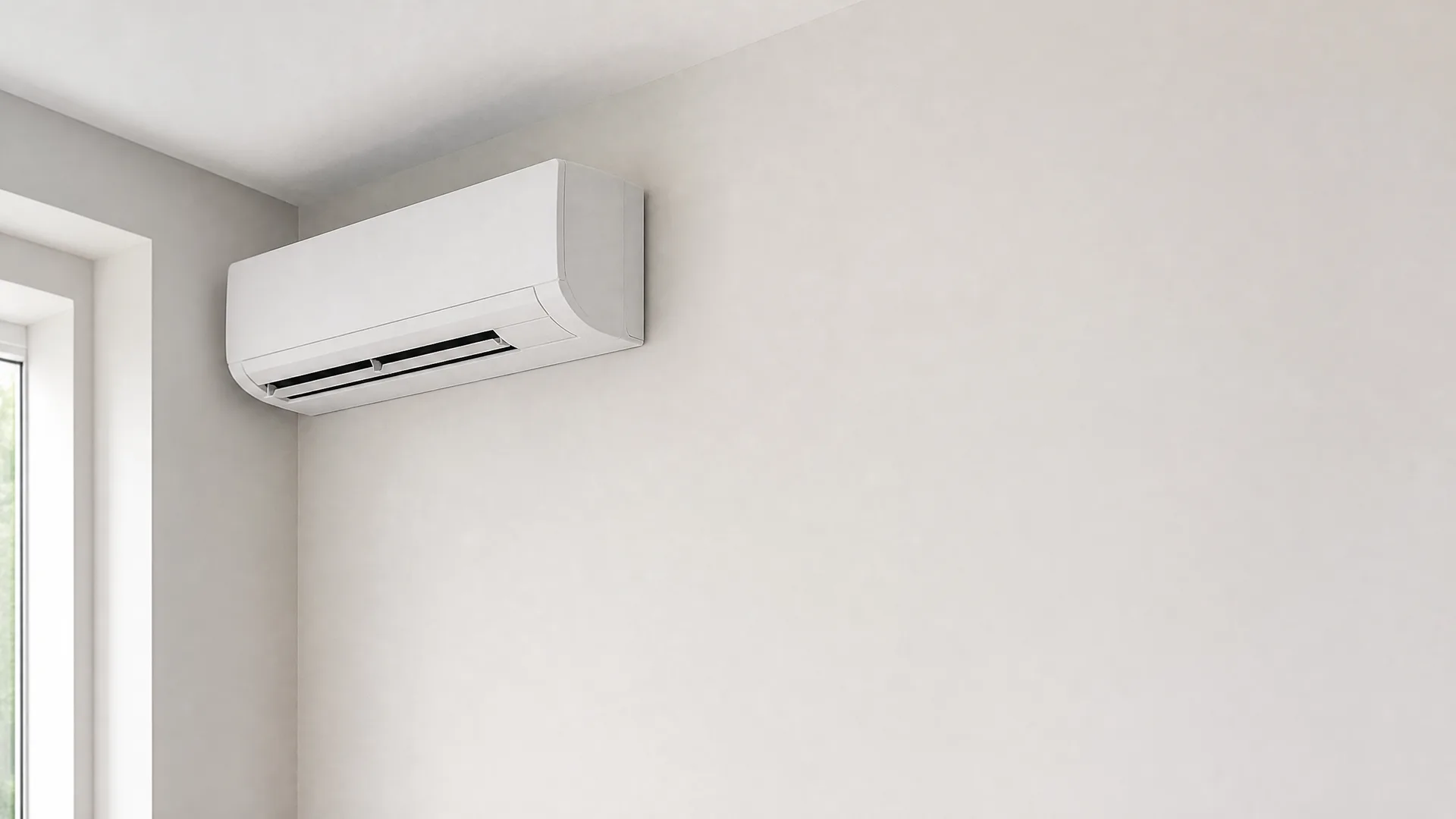
Set it to heat and leave the gas furnace off, and the compressor does all the work on a cold night. It can keep up most of the time, but output drops as the outside air gets colder. On a hard freeze it may run long stretches just to hold the room temperature, and the head will feel like it's working for it. That's the tradeoff for not burning gas at all.
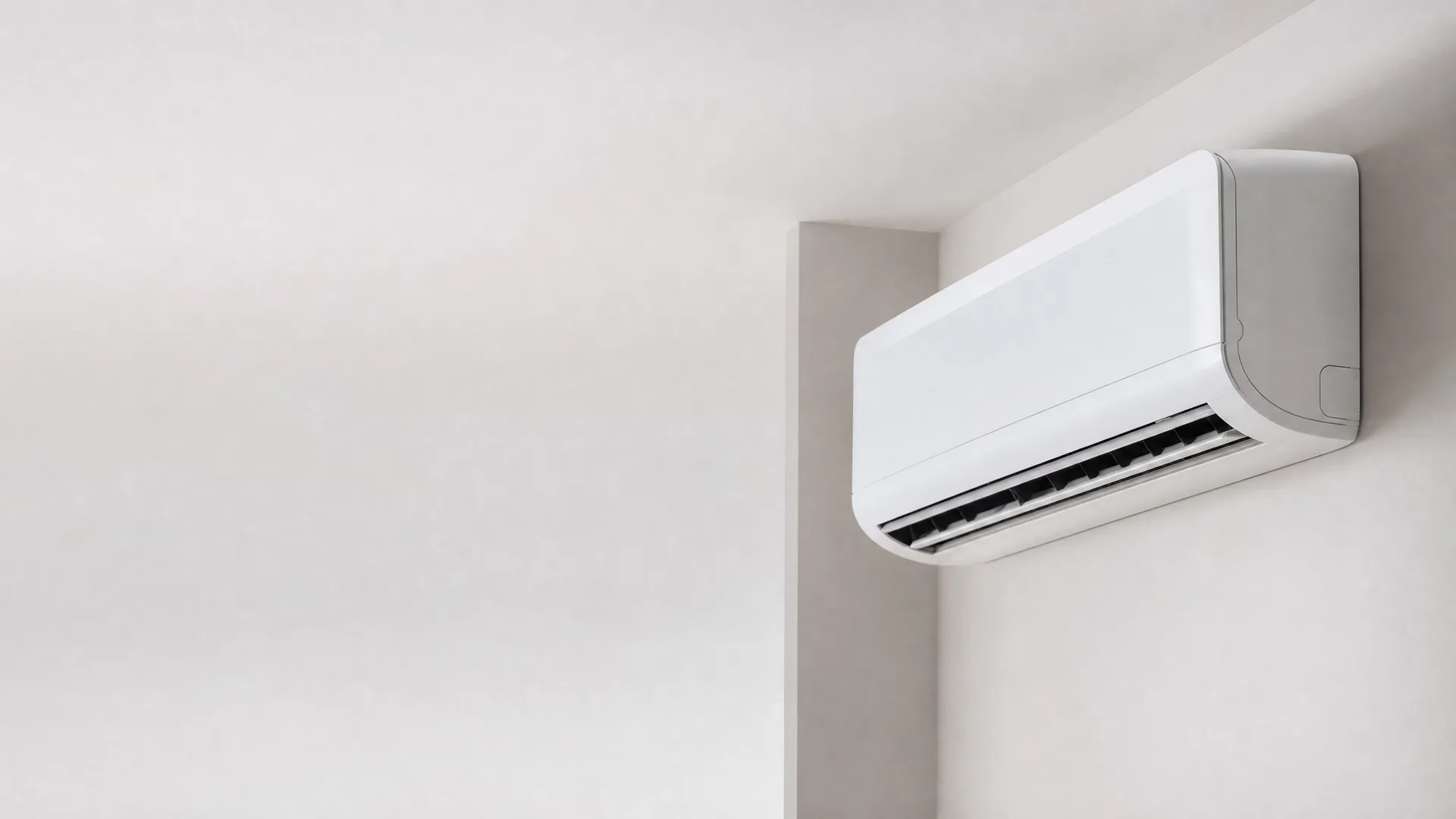
Let the mini split carry the house most nights and flip the furnace on when it gets especially cold. You get the lower bill the mini split earns most of the winter, and the furnace picks up the load on the nights the heat pump would otherwise strain. Nevada winters have enough mild nights that this split keeps the gas furnace mostly off without asking the mini split to do more than it's built for.
You've noticed the mini split keeps up fine most nights, then on the coldest ones the air coming out feels cooler and the room doesn't quite get there. You're wondering if something's wrong with the unit, or if that's just how it works when it's cold enough outside.
A mini split's outdoor unit works by pulling heat out of the air outside, and the colder that air gets, the less heat there is in it to grab. The compressor has to work harder for the same result, and past a certain point it can't fully make up the difference. Nothing's broken. This is why a gas furnace still earns its spot on the coldest nights of the Nevada winter. Running both isn't a failure of the mini split, it's using each one where it does the job best, the mini split for most of the season and the furnace to cover the nights it can't quite reach.

Summer air in Nevada runs dry, with a dew point around 37°F across June, July and August, according to NOAA averages. That dryness is why your mini split's compressor doesn't work as hard here as it would somewhere humid. In a sticky climate, a system spends a lot of its effort just wringing moisture out of the air before it can cool a room down. Dry air skips that step, so the same unit cools faster and the compressor cycles off sooner. It matters for winter too, since a compressor that isn't worn down chasing humidity all summer holds up better once you switch it over to heat.
NASA POWER T2MDEW county cells weighted by homes

For most Nevada homes heating with gas, running the mini split brings the bill down. It moves heat instead of burning fuel to make it, and that's the whole reason it wins even with a cold snap now and then pushing you back to the furnace. The math holds at what power costs here. The furnace still has a job on the coldest nights, and that's normal.
What you don't have to do is spend your evenings sorting out who can even look at this. No calling around to find someone who installs mini splits in your area, no repeating the same explanation to three different companies, no stacking up quotes to figure out who's reasonable. Send the form and that part is off your plate. You'll know where you stand on the bill once it's running the way it should.


No charge to send it. You decide if you hire them.
You don't have to call around to find out if this makes sense for your house. Send the request and stop tracking down contractors, explaining your setup over and over, and sorting through quotes yourself. Someone licensed takes it from here.
