Split Systems NV
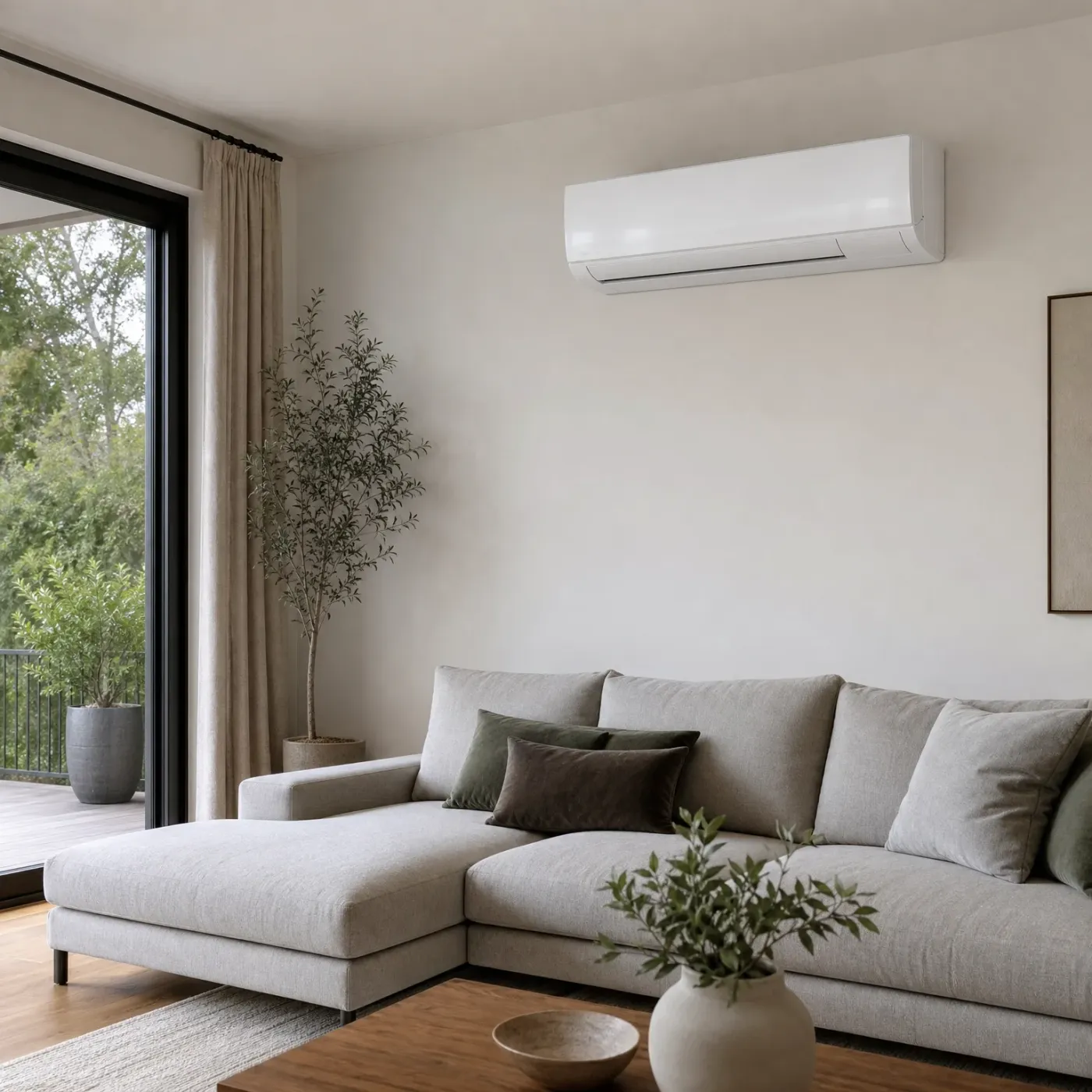
A white wall-mounted mini-split air conditioner on a dark gray interior wall above a framed picture, with a potted plant and curtained window to the right.

A pro who works on mini splits

Can a mini split heat a basement in a Nevada winter

A basement in Nevada can sit ten or fifteen degrees colder than the rest of the house, so the question is really whether a mini split can keep up down there on its own, or whether your gas furnace still needs to carry part of that load. Sizing and placement decide it, and that depends on your basement. Answer that, and a contractor who installs mini splits in Nevada homes can look at your space and tell you what it would take.

Get my match

Yes. A mini split can heat a basement in a Nevada winter, as long as it's sized for that space and it's a model built to keep producing heat in cold outdoor air. Nevada winters aren't as hard on a heat pump as they are in colder states. The unit draws in outside air and moves its heat indoors, and the colder that air gets, the harder the system has to work to pull heat out of it. On the coldest nights here, a properly sized mini split still has enough outdoor air to work with. What trips people up isn't the Nevada cold, it's an undersized unit or one placed where it can't move air through the whole basement. Get the size and placement right and the mini split can run as the room's main heat source, with no help needed from the furnace upstairs.

A smiling older woman with gray hair in a cream knit sweater stands in a dimly lit kitchen beside a window showing snow outside, with a round loaf of bread on the counter in the foreground.
A woman and a child wrapped together in a knitted gray blanket on a couch, with the child's head resting on her shoulder and a lit table lamp and houseplant in the background.

Cold climate models keep working below freezing

A regular mini split loses output as the air gets colder. A cold climate model is built to keep producing heat well below freezing, which matters on the coldest desert nights.
Request a pro

Power is cheap here, gas heats most homes

Most Nevada homes run on gas heat. A mini split in the basement runs on electricity instead, and with low power rates here, that's one less load on the furnace.

Request a pro

Mini Split Alone or With Furnace Backup

Mini split alone

  • A basement that's already well insulated and doesn't lose much heat to the ground around it can often run on the mini split by itself.
  • You get zone control, so you can keep the basement at a different temperature than the rest of the house without running the furnace for a space nobody's using upstairs.
  • A cold climate unit sized correctly for the square footage and ceiling height down there can carry the full load on most winter days.
  • If the basement has its own entrance or is used as a separate living space, running one system just for that area keeps the rest of the house off that load.
  • Recovery after a cold night takes longer with only the mini split, since it's the sole source of heat for that space.

Mini split plus furnace

  • If ductwork already reaches the basement, the furnace can take the edge off on the coldest nights while the mini split handles the rest.
  • A basement with poor insulation or a lot of exposed concrete loses heat fast enough that one small unit may not keep pace alone.
  • Gas heat recovers a cold room quickly, so pairing it with the mini split avoids long stretches where the space sits below the thermostat setting.
  • Running both means two systems to maintain instead of one, even if the furnace is only doing part of the work.
  • On a basement that's partly finished or has a workshop, garage access, or other areas that lose heat fast, the furnace backup keeps those spots from dragging the rest down.
  1. The outdoor unit pulls heat energy out of the cold outside air.

  2. Refrigerant carries that heat inside through the line set.

  3. The indoor head in the basement releases the heat into the room.

  4. A blower pushes that warmed air across the basement to even it out.

A woman with dark hair in a bun wearing a cream knit sweater sits on a gray sofa in a bright living room, looking off to the side.
A woman wrapped in a knit blanket sits on a gray sofa in a living room, looking toward a bright window with houseplants and an armchair in the background.
A woman in a gray cowl-neck sweater sits on a light sofa with cushions, smiling and looking to the side, with a kitchen and window visible behind her.
A woman with dark hair in a bun, wearing a light linen shirt, sits on a sofa and looks to the side, with a window, houseplants and a kitchen with pendant lights blurred behind her.
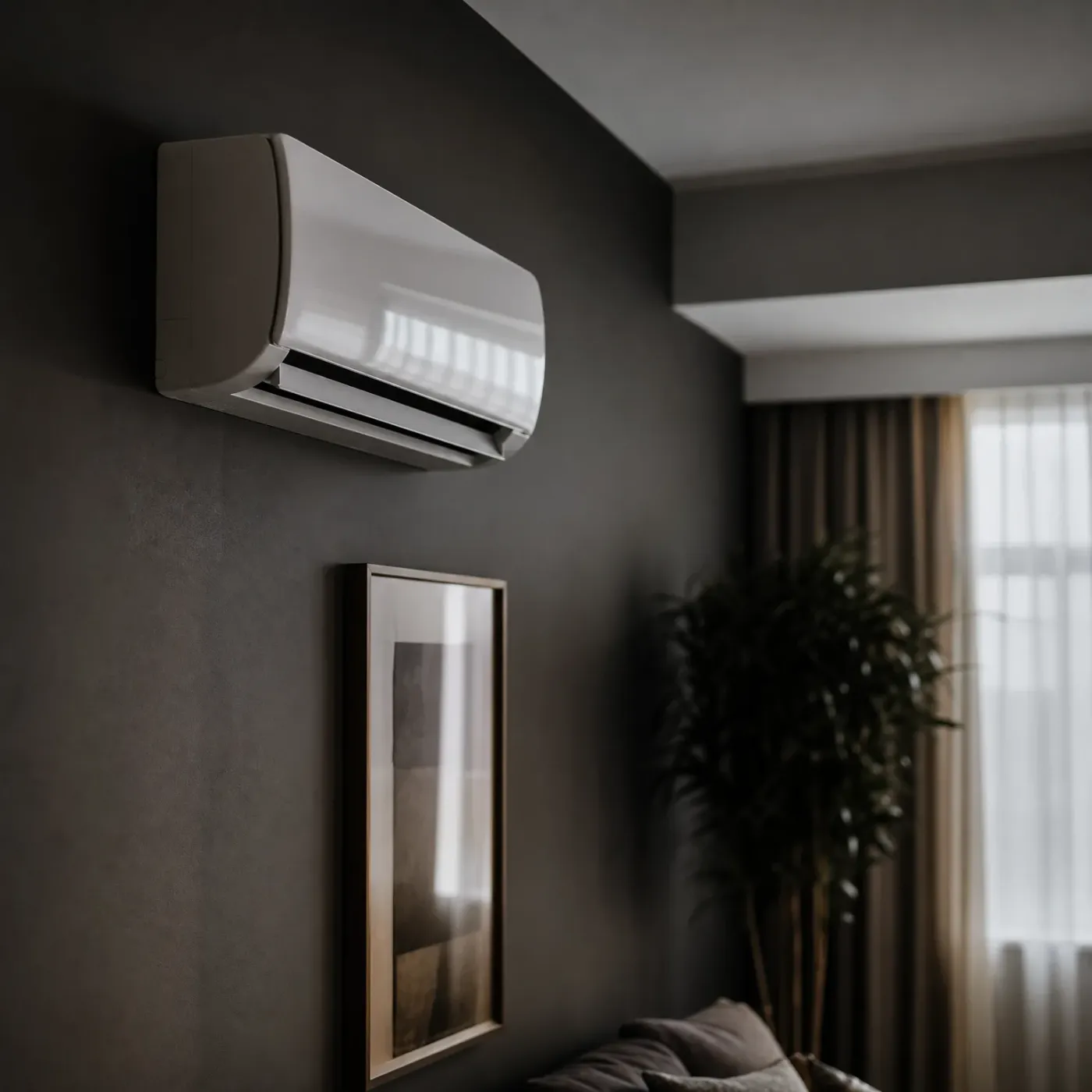
Living room with a grey sectional sofa, wall-mounted white mini-split air conditioner above it, a potted tree beside sliding glass doors with beige curtains, and a wooden coffee table with a vase of foliage in the foreground.

The right pro for this job

Explain the job once and skip repeating it on every call.

Get in touch with a local installer about a new mini split.

Get matched

You only hire the pro if you want to.

Power costs 13.26 cents per kilowatt-hour statewide

Running a mini split down there costs less than most homeowners expect, since Nevada's power rate sits under the national average. Even with the basement heater working harder on the coldest nights, the electric bill shouldn't be the reason to skip it.

EIA-861 2025 statewide residential average
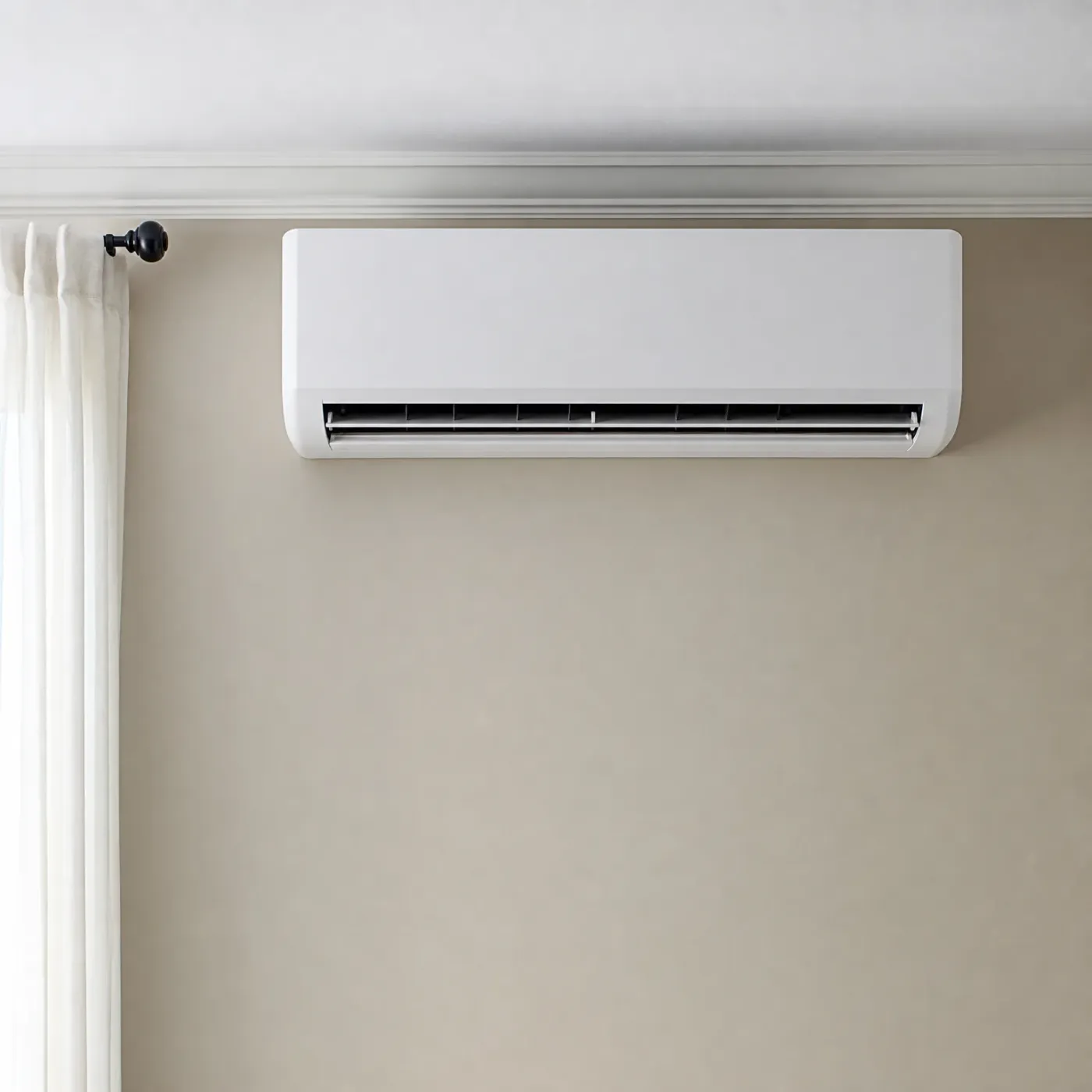
A white wall-mounted mini-split air conditioner installed high on a beige interior wall below crown molding, with a sheer white curtain on a dark rod at the left edge.

Properly sized and maintained

A mini split that's sized right for the basement and kept clean keeps blowing warm air across the room all winter. The indoor head doesn't have to strain, so it holds the temperature you set without the outdoor unit icing up or short cycling on cold nights.
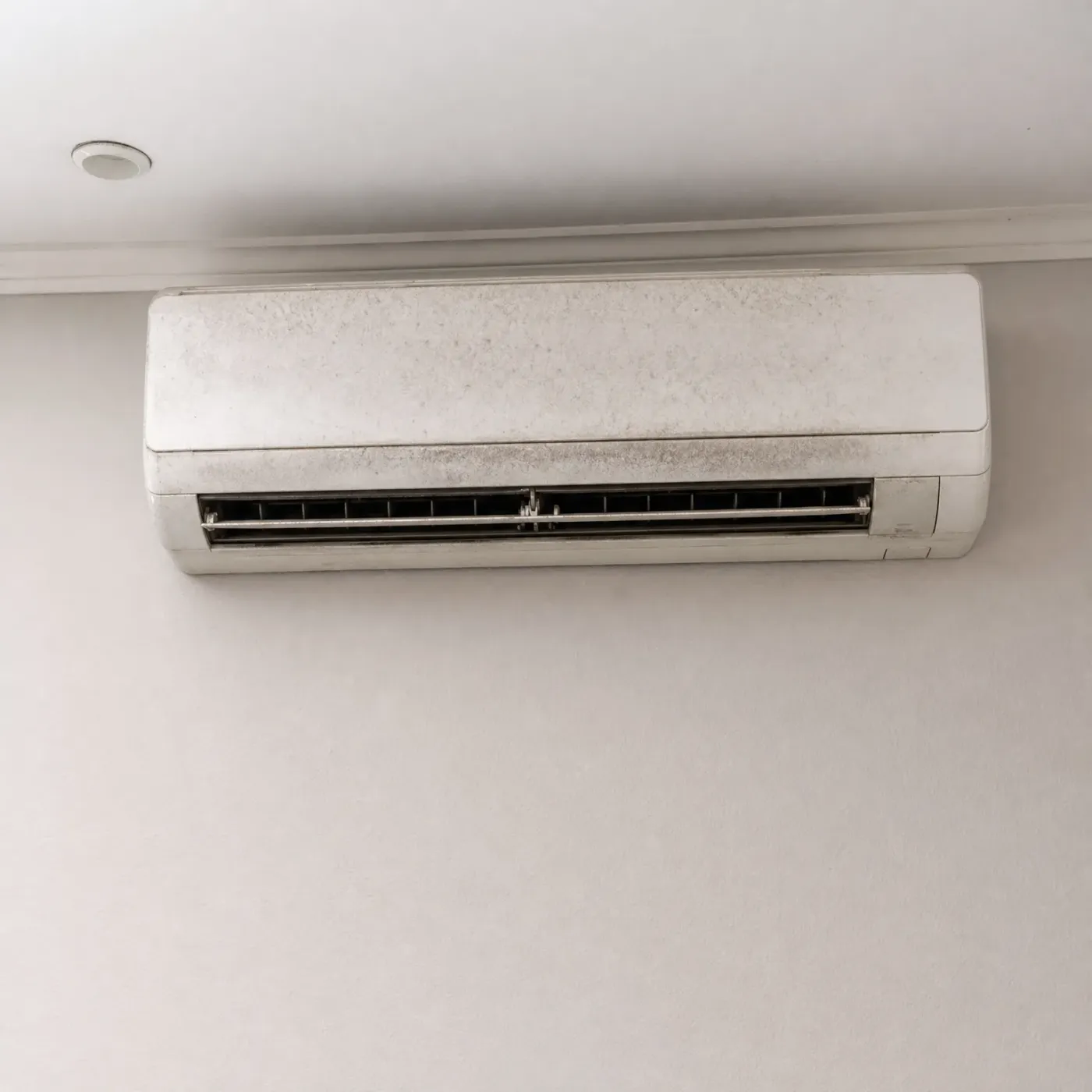
A dusty white wall-mounted mini-split air conditioner unit installed near the ceiling on a plain light-colored interior wall, with a small recessed ceiling fixture at upper left.

Undersized or neglected

A unit that's too small for the basement, or one that hasn't been cleaned, has to work harder for less heat. Dust and grime built up on the casing block airflow at the indoor head, and a basement that's too big for the unit never quite reaches the temperature you want.

Why does my basement mini split ice up on cold nights?

You've noticed frost building up on the outdoor unit, or maybe the indoor head in the basement stops blowing warm air on the coldest nights. It makes you wonder if something's wrong with the system, or if this is just what happens to a mini split when it gets cold enough outside.

Ice is normal, and the unit clears it on its own

Cold air holds less moisture, but what's there still lands on the outdoor coil as frost once that coil drops below freezing. This happens to every heat pump, not just the one on your basement. The system runs a defrost cycle to deal with it, reversing briefly to melt the frost off before going back to heating. You might notice the indoor head blow cool air for a few minutes during that cycle, or see steam rising off the outdoor unit outside. That's the defrost working, not a malfunction. A cold climate model handles this more often than a standard one simply because it's built to keep heating at lower temperatures. If ice builds up and stays, or the unit never seems to clear it, that's worth having a contractor look at.

A white wall-mounted mini-split indoor unit on a light gray interior wall, with a white curtain on a black rod at left and a leafy plant in the lower left corner.

Working clean

A mini split that's kept clean moves air the way it's supposed to, warming the basement without the outdoor unit fighting ice on a cold night. Dust-free vents mean the head can push out the heat it's producing instead of losing it to a clogged coil.

A wall-mounted white mini-split air conditioner indoor unit with visible dust and grime around its outlet vent, installed near the ceiling on a plain light-colored wall.

Choked with dust

Grime along the vents and casing means the indoor head is working harder to push out less heat. The basement cools faster than it should, and the people down there feel it before anyone checks the unit itself.

A woman in a cream sweater and jeans stands in the open doorway of a white stucco house, holding the dark door, while a man in a dark quilted jacket seen from behind walks toward the entry past potted plants.

A mini split can carry your basement through a Nevada winter

A cold climate mini split, sized to the basement and kept clean, will heat that space through a Nevada winter on its own in most cases. Where the basement loses a lot of heat to the ground around it or the room runs larger, it works alongside your gas furnace instead of replacing it. Either way, the basement stops being the cold room in the house.

Getting the sizing and the model right is the part that's hard to judge from a search result. It depends on your basement's size, how it's built, and what else is already down there. Instead of pricing units and researching specs on your own, you can get matched with a contractor who looks at your actual basement and tells you what it needs. They'll reach out to go over it with you, so you're not the one calling around or explaining the same thing to three different companies.


A living room corner with a beige sofa and cushion, a round wooden coffee table holding a pale ceramic vase of eucalyptus stems and a wooden bowl, and a curtained window with a potted plant above a latticed radiator cover in the background.
At dusk, a dark board-and-batten house with a standing-seam metal roof and lit entry walkway of stone pavers, with two large outdoor heat pump units on a stone-walled pad at right and trees and hills in the background.

Mini Split Installation

Matched to your mini split job

Step 1 of 3: Equipment
  • A cream chunky cable-knit throw draped over a beige upholstered armchair beside a bright window, with a wooden side table holding a book and a vase of leafy branches at left.
    • A local pro who knows mini splits gets your details and gets in touch.
    • Describe your mini split job, and a local pro who handles it gets in touch.
  • Living room corner with a gray sofa holding beige pillows and a knit throw, a round wooden coffee table with a dark planter and shallow bowl, a jute rug, a floor lamp, a framed landscape print on the wall, and a window showing trees.
    • After you send the request, you're done searching.
    • Send the form and the search for an installer is over.
  • A living room corner with a cream sofa and cushion, knit throw, wooden coffee table holding a shallow bowl and dark ceramic vase with green foliage, a floor lamp, potted plant in a woven basket, and linen curtains at a window.
    • One form replaces the calls you'd make to find a mini split pro.
    • Skip the round of in-home estimates for a new mini split.
  • A round reclaimed-wood coffee table with a black metal base sits on a woven rug in front of a cream sofa with cushions, with a lit built-in fireplace and a tall indoor tree in the background.
    • Your request goes to one pro, not a list of companies.
    • One installer gets your project, so there's no bidding war over it.