


Split Systems NV

Adding a mini split to a Nevada home with a furnace

A local installer who puts in mini splits gets your project.

Match me with a pro

A mini split pairs fine with your gas furnace. Most homes that add one keep the furnace for winter and let the mini split handle cooling, since it runs on electricity and your power rates are low. The two don't compete for ductwork because a mini split doesn't use any. It runs its own line to one or more rooms, usually ones that run hot in summer or sit far from a vent. Some owners use the mini split for shoulder months too, in spring and fall when it's not cold enough to run the furnace but still too warm to leave the house alone. The main decision is where it goes: which rooms need the help, and whether one indoor unit covers them or you need more than one. A contractor sizing the job will look at those rooms, not the whole house, since the furnace still covers that.

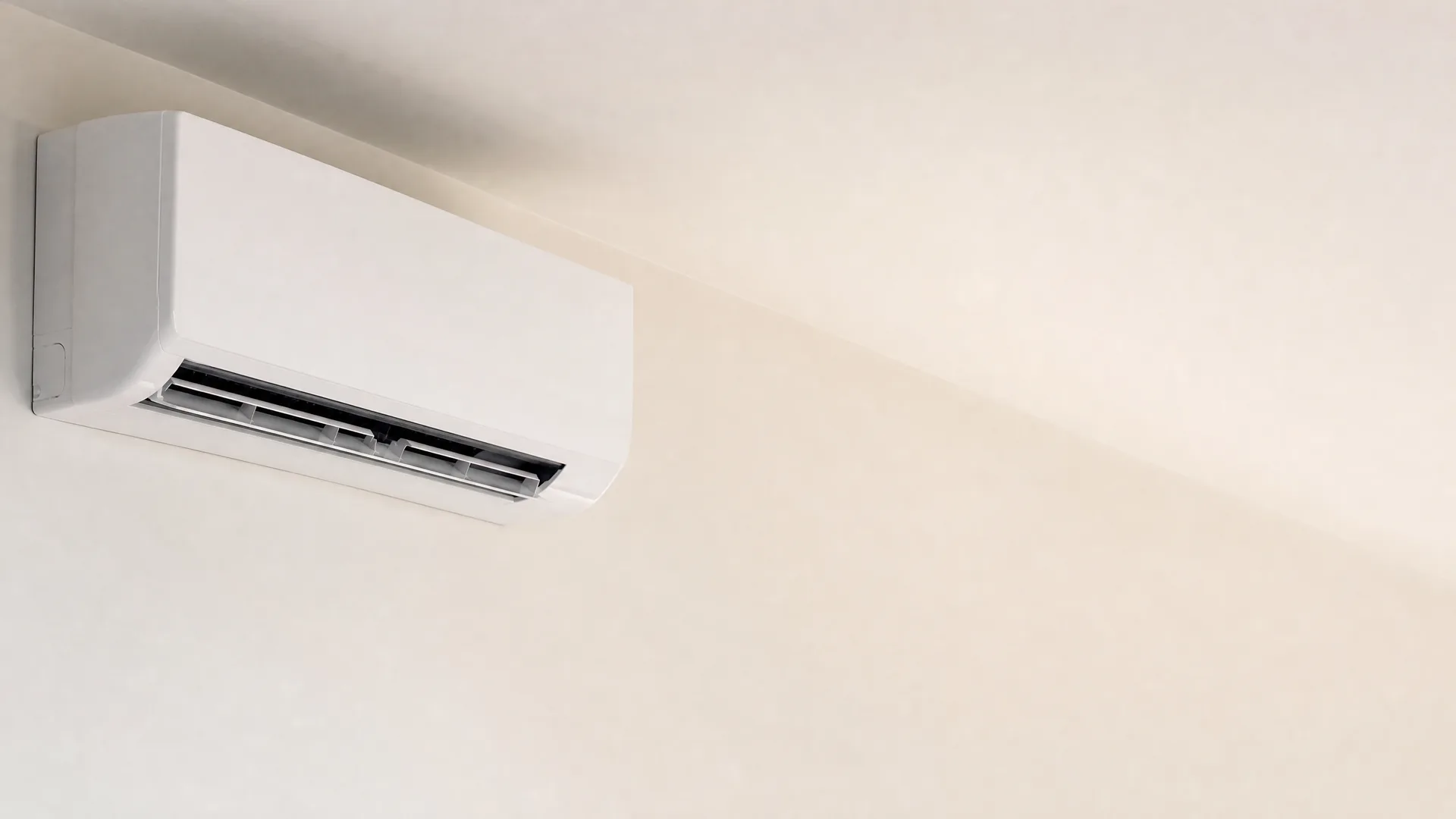
A white wall-mounted mini-split air conditioner unit installed high on a plain beige wall near the ceiling, with empty wall space to the right.

Why it skips the ductwork

A mini split moves refrigerant through a thin line set to an indoor air handler mounted on the wall. Your furnace heats air and pushes it through ducts to vents around the house. Because the mini split doesn't tie into that duct system at all, a contractor isn't cutting into your existing supply lines or rebalancing airflow to the rest of the house. The two systems just run side by side, each doing its own job.

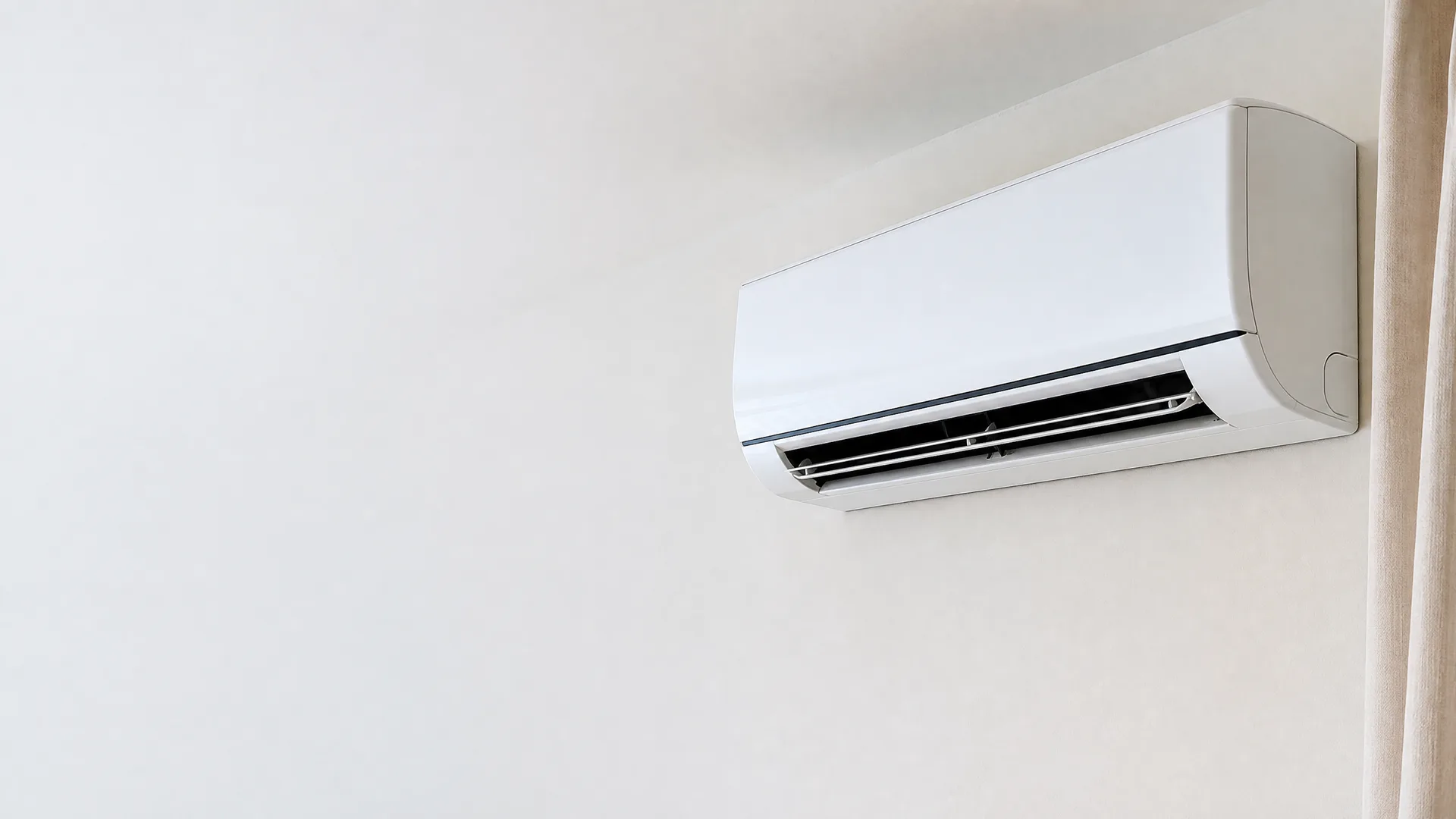
A white wall-mounted mini-split air conditioner indoor unit on a plain light-colored wall, with a beige curtain at the right edge of the frame.

What dry heat means for sizing

Nevada's dry air changes how a mini split gets sized for a room. Humid climates need extra capacity just to pull moisture out of the air before a room feels cool. Here, the unit's work is closer to straight heat removal, so a contractor sizing the indoor unit is weighing square footage, windows, and insulation more than moisture load. Undersizing still means a room that never quite cools down on the hottest afternoons.

A woman in a cream cardigan and jeans stands with one hand raised facing an open front door of a gray horizontal-siding house, with a black lantern wall light, a potted shrub with yellow flowers, and a stone-faced porch column.

What it changes in your house

Pick a room the furnace struggles to keep comfortable, usually one far from the furnace or with a wall of west-facing glass. The mini split's indoor unit mounts high on a wall in that room and runs on its own, so you set that room's temperature without touching the thermostat for the rest of the house. The furnace keeps doing what it already does everywhere else. Your gas bill in winter doesn't change because of this. Your electric bill picks up the cost of running that one room's cooling, and since Nevada power rates are low, it's not the same hit it would be somewhere else.

A local contractor who installs these in Nevada homes has seen which rooms end up needing one and why, whether it's a converted garage, a bonus room over the garage, or a house where the furnace and ducts just weren't sized for an addition. Sharing your situation gets you matched with one contractor who handles this kind of install regularly, not a string of companies working the phones at once.

A living room corner with a beige upholstered armchair holding navy and striped cushions, a small round wooden side table with a carved bowl and a potted green plant, a framed landscape picture on a pale wall, built-in shelving, and a curtained window.
A white wall-mounted mini-split indoor unit installed high on a gray interior wall, with a window at left and part of a light gray sofa with a dark cushion at lower right.

Run right, sized right

A mini split that's sized for the room and installed with a tight line set keeps up through the hottest part of a Nevada summer without strain. The coil stays clean, the drain runs clear, and the unit cycles the way it's supposed to. You get even cooling in that one room for the life of the equipment.


A white wall-mounted mini-split air conditioner indoor unit with visible dust and staining along its lower vent, installed on a plain pale wall.

Skip a step, pay for it

Oversize the unit or leave the line set exposed to that dry desert air and dust works into the vents faster than it should. The buildup you see here, grime along the casing and mold creeping in, usually traces back to the install, not just years of use. A contractor who sets it up right the first time is cheaper than fixing this later.

A woman with long gray hair wrapped in a checked blanket sits on a sofa by a window with yellow autumn foliage outside, with a lamp, framed picture and plant in the background.
An older woman in a cream knit sweater sits on a sofa by a window, looking out at sunlit trees with yellow and orange autumn leaves, with a bookshelf and lamp behind her.
A woman with gray shoulder-length hair in a dark knit sweater sits on a cushioned seat by a window, looking out at yellow autumn foliage, with a living room, armchair, houseplant and framed picture behind her.
An older woman with gray hair in a bun, wearing a cream knit sweater, sits on a sofa with a gray blanket and looks out a large window toward yellow-green autumn trees, with a lit table lamp and dark armchair behind her.

A pro who works on mini splits

Your request goes to one pro, not a list of companies.

It costs nothing to send, and you don't have to hire anyone.

Keep the furnace zoned off from the room with the mini split, and it heats that room in the shoulder months without the furnace running at all.

Run both in the same room at once and they just work against each other, one pushing warm air up while the other cycles cool air to meet its thermostat.

A woman in a cream knit sweater sits in an armchair with her eyes closed and a slight smile, beside an open window showing orange autumn foliage, with a mug, books and a lit candle on a small side table.
An older man with gray hair and a beard leans back on a beige sofa with his eyes closed, in a sunlit room with potted plants, a wicker chair and large windows behind him.

The outdoor compressor and the indoor air handler connect through a line set, run through a hole cut in the wall, usually no bigger than three inches across. Refrigerant moves through that line in a loop. It picks up heat from the room at the indoor coil and the outdoor unit pushes that heat outside. The compressor is inverter-driven, so it ramps to match what the room needs rather than switching on and off at full power like older AC units do. That's part of why it runs steady through a Nevada summer without hammering the electric bill. Moisture the indoor coil pulls out of the air has to go somewhere, so a condensate line runs from the unit with a steady downhill slope to drain. Before any of this works, the line set gets cut to length, the connections flared, and the whole thing pressure tested before anyone charges it with refrigerant. The indoor unit gets its own thermostat or remote, separate from whatever controls your furnace, so the room it serves runs on its own schedule.

How the system actually runs

  • A mini split has an outdoor compressor unit and an indoor air handler, linked by a refrigerant line set run through a small hole in the wall.
  • The outdoor unit compresses refrigerant and sends it through the line to the indoor coil, where it absorbs heat from the room and carries it back outside.
  • An inverter-driven compressor ramps up and down to match the room's load instead of switching fully on and off like older AC equipment.
  • A condensate drain line carries the moisture the indoor coil pulls out of the air, and it has to run with a steady downhill slope to drain properly.
  • The line set has to be cut to the right length and the connections flared and pressure tested before the system is charged with refrigerant.
  • A thermostat or remote at the indoor unit controls just that zone, separate from whatever thermostat runs your furnace.
A dusty, discolored white wall-mounted mini-split air conditioner unit installed on a plain beige interior wall below a molding strip.
Before you get your mini split installation
A white wall-mounted mini-split air conditioner installed high on a light gray interior wall below a white crown molding and ceiling with a recessed light.
After you get your mini split installation

One mini split zone

One zone handles the room it's installed in. The furnace still covers the rest of the house through its own ducts, so nothing else changes about how the rest of your home heats.

Find a local pro

A multi-zone system

One outdoor unit can run two or more indoor heads in different rooms. Each one is controlled on its own, so you're not cooling rooms that don't need it.

Find a local pro

Power costs 13.26 cents per kilowatt-hour statewide

At 13.26 cents a kilowatt-hour, running a mini split to cool that one room costs little next to what the whole house would take through the ducts. That's why pairing it with the furnace instead of replacing your cooling outright tends to pay off here.

EIA-861 2025 statewide residential average

Where this leaves you

  • A mini split added alongside your furnace splits the work: the furnace still handles winter heat, the mini split handles summer cooling in the room it's installed in.
  • Sizing the unit to the room and keeping the line set installation tight is what lets it hold up through a Nevada summer without strain.
  • Zoning the mini split off from the furnace in that room, rather than running both at once, is what keeps the two systems from fighting each other.
  • A contractor who installs these year-round in Nevada homes knows the line set routing and sizing calls that make the difference between a unit that keeps up and one that doesn't.
  • Matching you with one local, licensed contractor means a single point of contact who already knows what tends to go wrong with these installs in this climate.

Your furnace keeps doing what it already does well: heating the house through the ducts all winter. The mini split takes over one job the furnace was never built for, cooling a specific room through a Nevada summer without running the whole house's ductwork to do it. That split only holds up if two things are done right. The unit has to be sized for the room it's going into, not guessed at, and the line set connecting the outdoor compressor to the indoor coil has to be run tight through the wall. Get those wrong and you end up with a unit that short cycles or can't keep up on the hottest days. Get them right and it runs clean all season on a low electric rate, while the furnace stays zoned off from that room instead of fighting the mini split for control of the air in it.

None of that is a DIY sizing chart or a line set you run yourself. It's a judgment call a contractor makes after looking at the room, and the ones who get it right are the ones who do this installation routinely in homes like yours, not once a year. Matching you with one licensed, local contractor means you're dealing with someone who already knows how these installs tend to go wrong in this climate, not a handful of companies competing for the same callback. That's where the decision sits now: the plan is sound, and the install is what determines whether it performs the way it's supposed to.

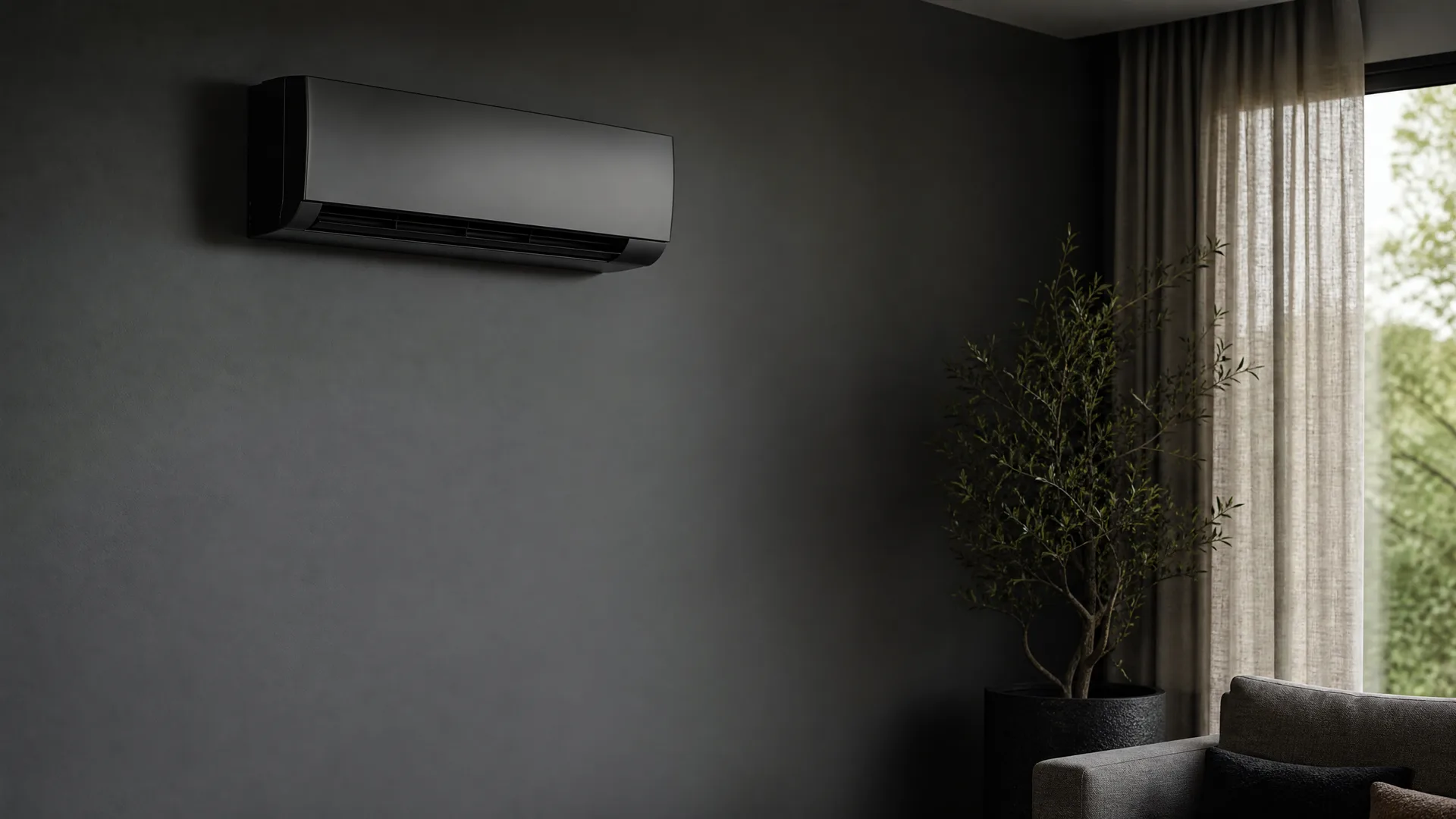
A dark wall-mounted mini-split air conditioner on a gray interior wall, with a potted olive-like tree, sheer curtains over a window showing green foliage, and a gray sofa in the lower right corner.

The right pro for this job

The pro who reaches out is licensed in Nevada.

Step 1 of 3: Equipment